The First Time You Walked Into a Bookstore
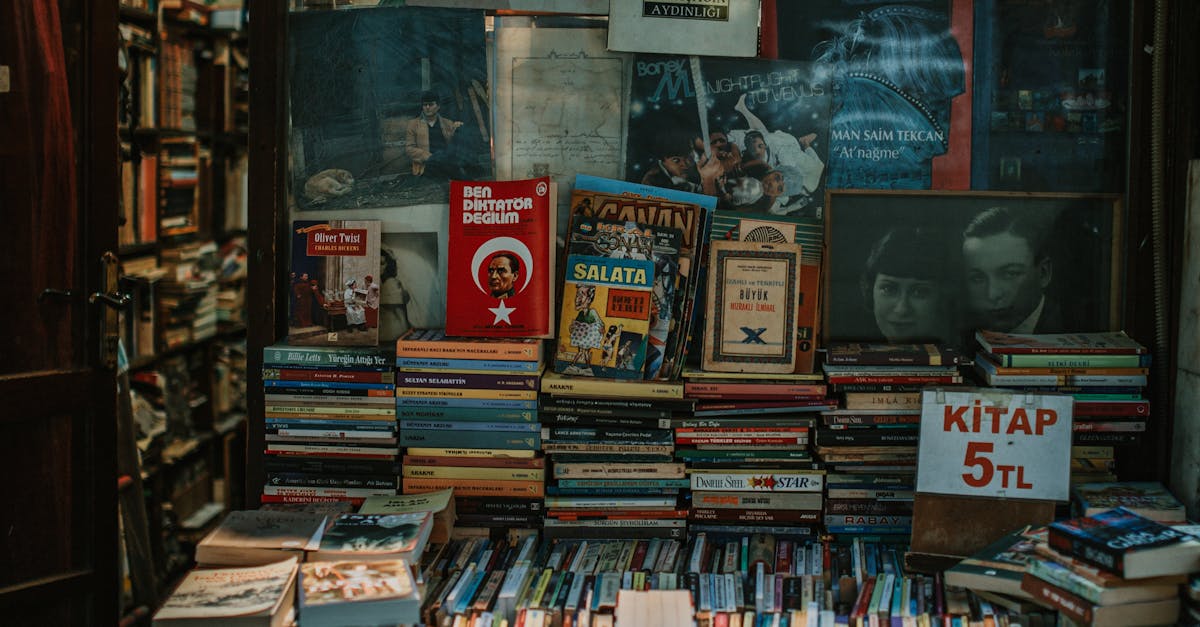
Think back to the first time you walked into a bookstore—not a sterile megastore in a mall, not a warehouse aisle lined with shrink-wrapped pallets, but a store where the smell of paper hits you before the door has even closed behind you. Maybe the floors creaked underfoot. Maybe the owner greeted you by name or handed you a recommendation before you could even ask. That first step inside was more than a retail experience. It was a portal into a community, into an unspoken pact between readers, writers, and the people who make sure the right stories find the right hands.
Supporting your local bookstore isn’t just a nostalgic impulse—it’s an act of cultural preservation, an investment in your community’s intellectual health, and a statement about the kind of world you want to live in. In an era where algorithms decide what you “should” read next, local bookstores remain defiantly human. They stand as places where curiosity is curated by people who remember your taste, where a conversation can lead you to a book you never would have found on your own.
Table of Contents
Local Bookstores as Cultural Anchors
Local bookstores are more than shops; they are cultural anchors. They host author events, book clubs, poetry readings, children’s story hours, and panel discussions that connect people in ways that purely transactional shopping never will. These gatherings build something the internet can’t replicate: a shared sense of place.
When an author visits a small indie store, the conversation feels different. You’re not shouting over the hum of espresso machines in a big chain café or jostling for space in a convention hall. You’re in an intimate room, often just a few feet away from the person whose words have been living in your head. That proximity changes the way we engage with literature—it makes the work feel alive, responsive, and part of a living dialogue.
At The Literary Compass, we often feature authors who’ve launched their books in these intimate spaces, and they all say the same thing: the connection feels deeper, the questions sharper, the energy more collaborative. When you support your local bookstore, you keep that possibility alive—not just for yourself, but for every reader in your community.
The Economic Ripple Effect
When you buy from a local bookstore, more of your money stays in your community. Studies show that for every $100 spent at a local business, roughly $68 stays local, compared to only $43 when spent at a national chain, and even less when ordering from large online retailers. This isn’t just an abstract statistic—it translates into jobs, tax revenue that supports local schools and infrastructure, and a healthier local economy that can sustain other small businesses.
A thriving bookstore can increase foot traffic for neighboring businesses—cafés, boutiques, bakeries—creating an ecosystem where everyone benefits. Picture a Saturday afternoon where someone pops in to pick up the latest release, wanders into a local bakery for a pastry, and then heads to a nearby park to start reading. That entire chain of events keeps dollars circulating locally.
Bookstores as Curators in a Sea of Noise
In an age of endless digital shelves, the sheer volume of available titles can be overwhelming. Recommendation algorithms are designed to keep you engaged, not necessarily to challenge you or expand your horizons. Local booksellers, on the other hand, are living, breathing curators. They read voraciously, listen carefully, and take pride in connecting each reader with the right book at the right time.
This kind of hands-on curation ensures that books by debut authors, small presses, and marginalized voices don’t get buried beneath the weight of mass-market marketing budgets. Independent bookstores often take chances on titles that aren’t topping bestseller lists but have the potential to profoundly impact a reader’s life.
And here’s the secret: those “hidden gems” often become the books you end up recommending to everyone you know. The chain reaction starts with a conversation in a small shop, and it keeps going long after you’ve left.
The Human Factor You Can’t Automate
There’s something irreplaceable about a bookseller handing you a novel and saying, “I thought of you when I read this.” That personal touch comes from memory, empathy, and shared experience—things an algorithm simply can’t replicate. A good bookseller isn’t just moving inventory; they’re matchmaking between minds.
Even casual interactions can have ripple effects. Maybe you overhear someone at the counter talking about a memoir you’ve been meaning to read. Maybe you strike up a conversation with a fellow customer about a shared favorite author. These moments don’t happen in a vacuum; they happen because local bookstores are designed to slow you down, to make space for serendipity.
Supporting Authors Where It Counts
Buying books locally isn’t just good for bookstores—it’s good for authors, especially emerging ones. Independent stores often work on consignment with local writers, giving them valuable shelf space they might not get elsewhere. They host readings and signings that can turn into early buzz and word-of-mouth momentum, which are critical for sales.
When you purchase a book at a launch event or signing, that sale counts toward bestseller lists in a way online pre-orders sometimes don’t. More importantly, it tells the author directly: I showed up for you. That kind of support can mean the difference between a second book contract and a career cut short.
Bookstores as Third Places
Sociologists talk about “third places”—public spaces that aren’t home (first place) or work (second place) but where community happens organically. Bookstores are quintessential third places. They’re spaces where you can linger without a purchase, where conversations are sparked by shared curiosity, where you’re welcome to browse without pressure.
In towns where other public spaces are disappearing, the local bookstore often becomes the de facto cultural commons. You see familiar faces, overhear discussions about politics, art, or last night’s big game, and you leave feeling more connected than when you arrived.
Resilience in the Face of Challenges
Local bookstores have faced an onslaught of challenges over the past few decades: the rise of big-box retailers in the ’90s, the dominance of online mega-sellers in the 2000s, and the seismic shifts of the COVID-19 pandemic. Many adapted by offering curbside pickup, local delivery, and virtual events. Their ability to pivot quickly and maintain personal relationships with customers kept them afloat when larger retailers struggled to adapt.
That resilience is worth supporting. Every dollar you spend is a vote for the kind of businesses you want in your community—ones that know your name, remember your last purchase, and can special-order that obscure title you’ve been chasing for years.
The Literary Compass and the Mission We Share
At The Literary Compass, we see our work as part of the same ecosystem. We write in-depth book reviews, feature author interviews, and explore literary culture in ways that complement the work of local bookstores. Our readers trust our recommendations, and we often direct them to purchase from indie stores rather than defaulting to the biggest online retailer.
When you support your local bookstore, you’re also supporting a chain of interconnected literary advocates: reviewers, bloggers, small presses, and community organizers who all want the same thing—to keep literature vibrant, accessible, and diverse.
The Future We’re Writing Together
The question isn’t whether bookstores matter; it’s whether we’ll have the foresight to keep them thriving. That future is written in every purchase, every event you attend, every friend you bring through the door. The more we invest in these spaces now, the more likely they’ll be there for the next generation of readers.
Supporting your local bookstore isn’t charity—it’s reciprocity. They give us stories, community, and a space to belong. In return, we give them our business, our loyalty, and our voice in telling others why they matter.
So the next time you think about buying a book, remember: every dollar you spend is a story you help keep alive.