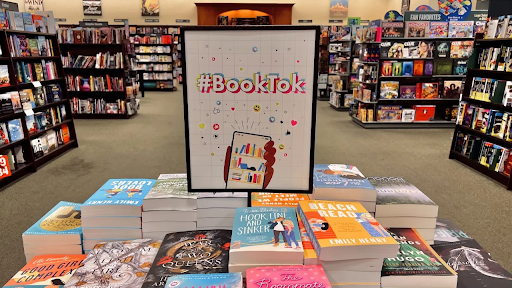
I still remember the first time I fell into a BookTok scroll. I opened TikTok for a quick break, then an hour disappeared to teary-eyed reaction videos, annotated margins, and people hugging paperbacks like life rafts. At some point I realized something quietly radical was happening: readers were not just talking about books, they were steering the market.
Today, BookTok is not a niche corner of the internet. It is a global recommendation engine powered by emotion, inside jokes, and very human reading habits. It shapes which books hit bestseller lists, which older titles come back, and which authors get their shot.
This piece looks at how BookTok changes what we read, how publishers react, and where readers, authors, and industry folks might go from here.
What BookTok Actually Feels Like From the Inside
If you have never scrolled through BookTok, the vibe can be disorienting at first. It is not a formal review forum. It feels more like being in a chaotic, passionate book club that never sleeps.
You see:
- Someone sobbing to a sad song with a copy of “A Little Life” halfway closed.
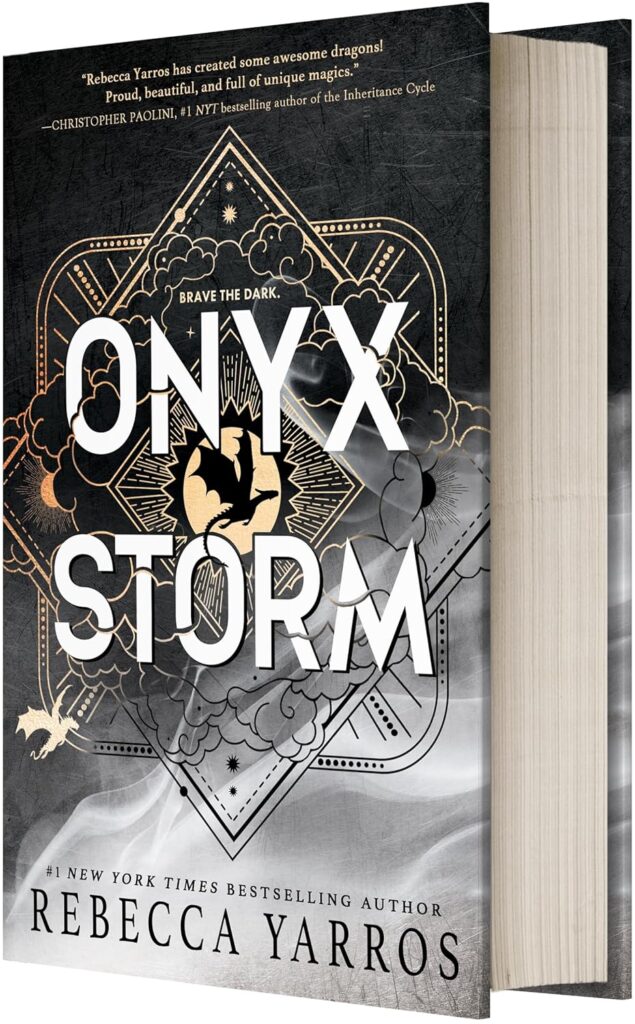
- A fast cut of highlighted sentences from “Fourth Wing” or “Iron Flame”.
- A stack of paperbacks with text overlays like “Books that broke me and then fixed me.”
There are jokes only regulars recognize, tropes everyone tracks, and recurring debates about things like “morally gray love interests” or “happy endings that still hurt a bit.” The tone is personal and unpolished on purpose. That raw feeling is what makes it work.
According to recent coverage in places like Forbes on the power of BookTok, the main hashtag has racked up hundreds of billions of views. Behind those numbers is something simple: readers seeing other readers feel things, then chasing that feeling themselves.
From Hashtag To Bestseller: How BookTok Moves Sales
The effect on sales is not theoretical anymore. U.S. market data in 2024 tied tens of millions of print copies to BookTok exposure alone, with some titles jumping by several hundred percent after going viral. In short, videos translate into receipts.
A few familiar patterns show up:
- Backlist explosions: Older books, sometimes years out of the spotlight, suddenly surge. “The Song of Achilles,” “We Were Liars,” and “The Seven Husbands of Evelyn Hugo” all saw fresh waves of readers long after their original release.
- Series momentum: Once BookTok adopts a series, each new release becomes an event. Think of “ACOTAR” or more recently the “Fourth Wing” universe, with readers filming midnight release lines and bookshelf rearranges.
- Emotion-driven hooks: Books that promise tears, rage, or intense comfort tend to travel fast. A creator saying “This book destroyed me” carries more weight than a polished ad campaign.
Industry reporting, including work like The Bookseller’s look at BookTok sales impact, has tracked how TikTok attention can lift not just one title but an author’s entire catalog. The pattern repeats across genres: one viral clip, then a spike, then a long tail of curious readers.
From the reader side, it feels almost casual. You save a video, you pick up the book on your next store trip, you post your own reaction. From the industry side, that casual loop now sits close to the heart of marketing strategy.
How BookTok Is Shaping Taste And Genre Trends
If you scroll BookTok long enough, certain trends become hard to miss. They are not random; they reflect what this community wants from stories right now.
Hybrid genres and emotional payoffs
Readers on BookTok tend to love books that mix categories:
- Romance with thriller twists.
- Cozy crime stories with strong friendships.
- Fantasy with heavy emotional arcs, found family, and slow-burn relationships.
Recent analysis of reading trends, including pieces like Scholastic’s overview of BookTok and reading trends, highlights this shift. The line between young adult, new adult, and adult often blurs. The shared goal is emotional intensity, not strict shelving.
A focus on identity and representation
Readers also push for representation that feels honest, not token. They call out harmful tropes, celebrate diverse casts, and recommend titles that reflect a wider range of experiences. Many of the most beloved BookTok titles center queer characters, characters of color, neurodivergent characters, or all of the above.
The platform does not fix publishing’s long history of gatekeeping, but it gives readers a visible space to reward inclusivity and call out problems.
The new “canon”: what counts as must-read
BookTok has also built its own informal canon. Instead of a list created by critics, it is a rolling, crowd-tested core of books: Colleen Hoover’s backlist, dark academia like “The Atlas Six,” speculative hits like “Legendborn,” romantasy juggernauts, and more.
Some readers embrace that shared canon because it feels like a shared language. Others feel worn out by seeing the same ten titles again and again. Both reactions matter, especially for authors trying to figure out whether to lean toward trends or away from them.
Inside The Industry: How Publishers And Authors Respond
From the industry side, BookTok is not just a curiosity. It affects acquisitions, marketing budgets, cover designs, and even reprints.
Publishing-focused pieces like Book Riot’s look at the current and future state of BookTok describe how:
- Editors bring BookTok comps to acquisition meetings.
- Marketing teams pitch directly to TikTok creators.
- Backlist titles get new covers that feel more BookTok friendly.
For authors, especially new or indie ones, the situation is both generous and demanding.
The upside for authors
BookTok gives writers a way to bypass some old gates. A self-published romance or fantasy novel can gain a huge audience if it hits the right niche, the right trope, and the right emotional tone. Some self-published authors have gone from obscurity to steady careers because a few readers loved their book enough to shout about it.
Reports on self-publishing, like this breakdown of BookTok’s impact on self-publishing, highlight how reader-driven discovery can rival traditional marketing.
The pressure and the pitfalls
At the same time, many authors feel the pressure to become full-time content creators. Filming skits, trends, and live Q&As can start to compete with the actual writing. There is also the burnout factor; when your face is part of the brand, criticism hits harder.
I have talked with writers who feel guilty if they are not using every trend audio, posting daily, or optimizing every caption. They know BookTok can move thousands of copies. They also know that chasing virality can bend their writing toward what sells fast, not what feels right.
The Reader Experience: Authenticity, Spoilers, And Herd Mentality
From a reader’s point of view, BookTok is both generous and noisy.
On the generous side, you get:
- Fast, heartfelt recommendations from people who read a lot.
- Unexpected finds from smaller presses and indie authors.
- A sense of belonging, especially if your offline life has few heavy readers.
On the noisy side, you get:
- Spoilers disguised as reactions.
- Overhype that sets impossible expectations.
- The feeling that if you are not reading the book of the month, you are behind.
Pieces like The Week’s essay on BookTok reviving publishing but at what cost touch on this tension. BookTok helps book sales and brings reading into public conversation, yet it can also reduce books to quick emotional sound bites.
I catch myself doing this sometimes: judging a book more harshly because the internet told me it would “destroy my soul” and it only made me mildly sad. The book did not fail. The hype did.
What This Means For Indie And Debut Authors
For indie and debut authors, BookTok can feel like both a lottery and a craft.
There is luck, of course, but there are also patterns that help:
- Clarity of promise: Books with a clear hook, trope, or emotional promise are easier for readers to pitch in a 10-second clip.
- Visible presence: Readers like seeing the person behind the story. Even simple talking-to-camera videos help.
- Respect for readers’ time: Honesty about content warnings, tropes, or endings builds trust.
Marketing studies, such as this roundup of 2025 book marketing statistics, show how peer recommendations beat traditional ads for younger readers. That is the path indie authors can use. A small, authentic group of early readers can matter more than a big but shallow ad campaign.
If you are an author, a helpful starting point is simple: watch BookTok before trying to sell on it. Notice how readers talk, what they celebrate, and what they complain about. Speak to them as a reader yourself, not just as a brand.
Risks, Limits, And What Comes After The Hype
No trend lasts forever in its current form. BookTok will change. TikTok might shift features, governments may regulate it, or user attention may move somewhere else.
There are also real limits:
- It tends to favor books in certain genres, especially romance and fantasy.
- English-language books, especially from the U.S. and U.K., get the most visibility.
- The focus on immediate emotional payoff can sideline slower, quieter books.
Pieces like this broader take on BookTok’s cost and benefit point out that we still need criticism, librarians, and long-form reviewers. A healthy reading culture needs more than one channel.
Still, I suspect the core habits behind BookTok will last: people like seeing other people respond to art, then choosing their next read based on that shared feeling.
Reading After BookTok: A Quiet Invitation
BookTok has turned reading into something more visible, louder, sometimes messier. It has pushed sales, shaped lists, revived old favorites, and boosted new voices. It has also raised questions about authenticity, burnout, and who gets left out when trends move fast.
For readers, the invitation is simple: keep using BookTok for discovery, but let your own taste stay in charge. For writers and industry folks, the challenge is to listen to this community without letting it flatten everything into one style or one trend.
When I close TikTok after a long scroll, I try to notice what cut through the noise. Usually it is not the fanciest edit. It is a person, holding a book, trying to put a feeling into words. That quiet effort is what keeps this whole system alive.
If you care about stories, community, and how they shape each other, BookTok is not just a hashtag. It is a reminder that readers still have power, and that our choices keep deciding what stories stay on the shelves.