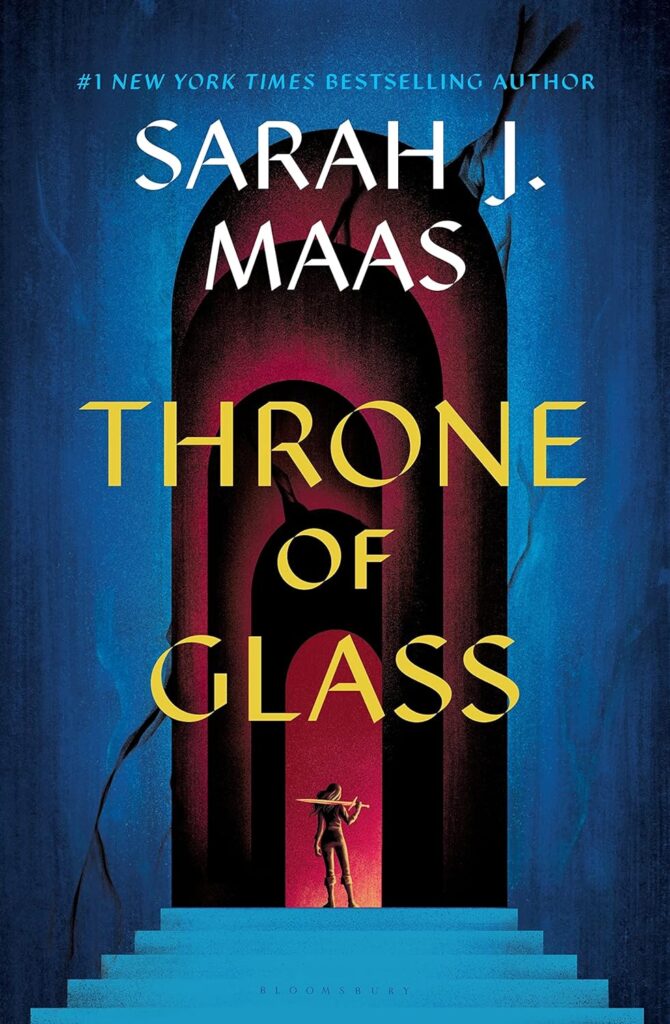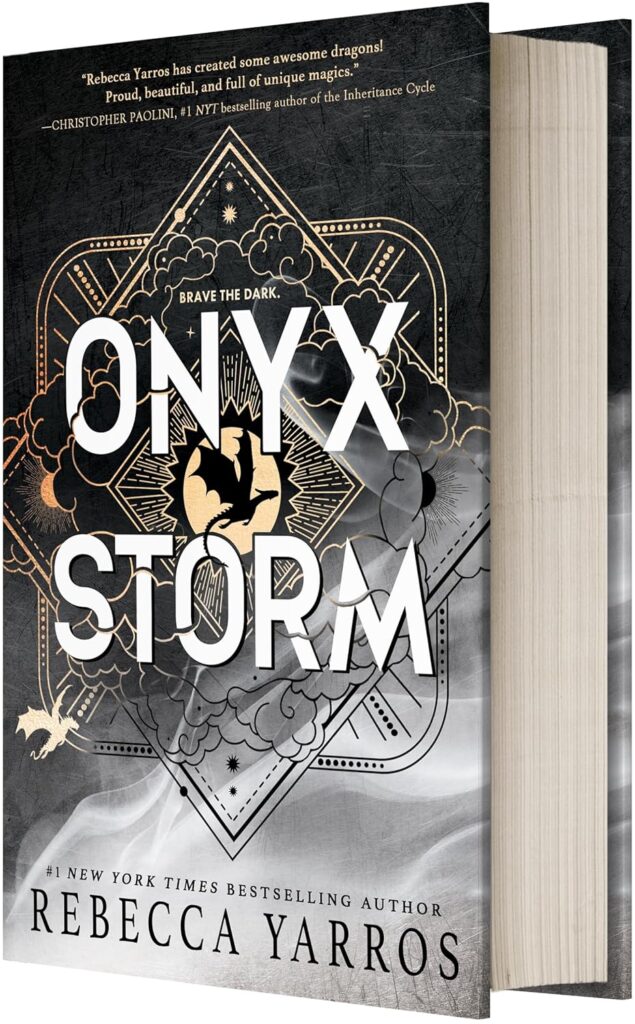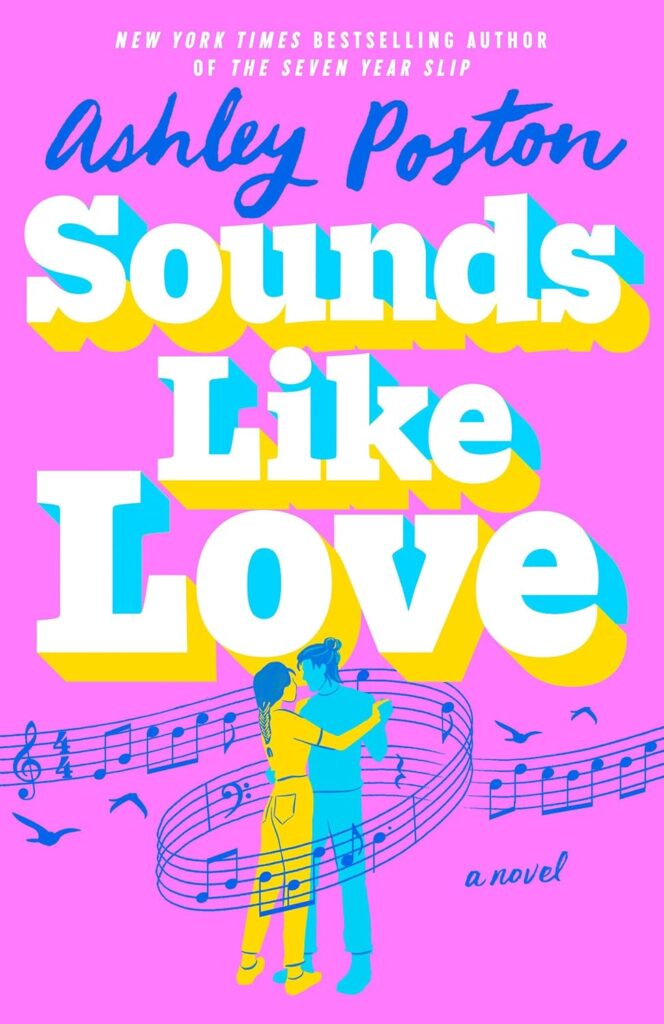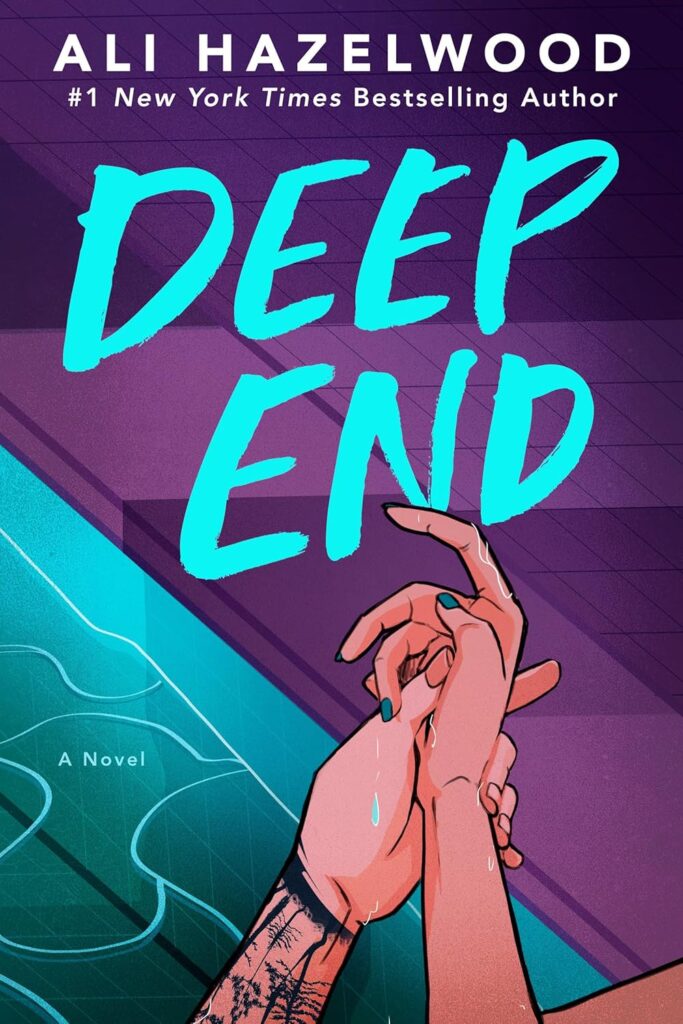

Choosing a new book can feel like standing on a quiet shore, the horizon brimming with promise yet softened by uncertainty. Sometimes we reach for comfort, sometimes for challenge, and sometimes for a voice that feels like an echo of our own. How to pick your next book to read is a question that sits at the heart of both desire and intention, inviting us to listen to our moods, our needs, and the silent beckoning of curiosity.
When the urge to read stirs, it’s more than a simple distraction—it’s a moment to connect, to grow, to find meaning or a new way of seeing, all within the space of a few pages. The right book can restore a sense of wonder, open doors to inner landscapes, or simply bring the quiet joy of well-spent solitude. In this guide, I’ll share not just practical advice, but a range of flexible approaches, guiding you toward options as wide-ranging as Top Kindle Unlimited Picks or as focused as a seasonal theme. Every suggestion is an invitation to choose with intention, letting each new title become part of a longer, richer reading journey.
Table of Contents
Reflect on Your Reading Goals
Choosing what to read next often feels like staring across a landscape where paths are hidden, each winding toward a different promise: relaxation, challenge, comfort, surprise. Before reaching for a new book, I pause to consider what I need, not only from a story or an author, but for the mood I bring with me and the reasons that call me to turn pages at all. Reading can serve as an escape as gentle as drifting clouds, a challenge as sharp as fresh ice, or an invitation to see the world through a different lens. When I reflect on my reading goals, I shape my own map—one that changes with each season, emotion, and aspiration.
Identify Your Preferred Genre or Style
 Photo by Tima Miroshnichenko
Reading preferences tend to reveal themselves quietly, like favorite trails worn into familiar ground. Some days I reach for contemporary fiction, drawn to stories that echo the world I know or wish to know better. Among classics, I find voices that echo across time, steadying me with their enduring insight. Nonfiction calls when truth seems stranger or deeper than fiction—whether I’m learning history, science, or the unfolding patterns of human behavior. Fantasy, on the other hand, draws me upward, letting imagination outrun the everyday.
It helps to ask myself where my mind wants to wander:
- Am I searching for language that moves like poetry or dialogue that rings true?
- Do I long for tight plotting, careful character work, or ideas that challenge my standing beliefs?
- Does my mind crave a quick escape, or do I want to settle into the slow unfolding of a rich, immersive world?
If I’m not sure, I might spend time sampling the first chapters of a few genres. By doing this, I invite my instincts to guide me. Tuning into my past favorites and reading experiences gives me hints about where my tastes begin to shift, and why. Sometimes, it’s not just what I want to read, but how I want to experience reading—whether through the sharp energy of thrillers or the reflective quiet of memoir.
For a deeper perspective on why we gravitate toward certain genres or styles, see Why We Choose the Books We Read. Understanding these motivations can help every choice feel thoughtful and meaningful.
Determine Your Mood and Energy Level
Choosing a book is like setting out on a walk—sometimes I want an easy stroll in the sun, sometimes a brisk climb into shadow. My mood and energy shape both what I’ll enjoy and how much I’ll absorb. When life feels heavy, I might seek out lighthearted stories or comforting rereads. When I feel restless, I am more likely to want something that pushes the edges of my understanding or asks questions I haven’t considered.
Some of the most rewarding reading decisions start by considering:
- Do I feel open to being challenged by a complex plot or weighty themes?
- Is my heart tender and in need of kindness, nostalgia, or humor?
- Do I have the mental space for something dense, or do I want a story that carries me without much effort?
Reading with intention means letting myself choose books that fit what I can carry, not more or less. On days of quiet strength, I might reach for stories that ask me to reflect. On nights when exhaustion lingers, poetry or shorter fiction can feel just right—a drop of honey instead of a feast.
Many readers find value in picking books that match the season of their spirit. How to Choose Your Next Book Based on Your Mood offers thoughtful suggestions for making that match, whether you’re looking for comfort or curiosity.
When I assess my goals—relaxation, learning, escapism, or inspiration—the right book meets me where I am, shaping not only what I read but how I feel once the last page is turned.
Leverage Recommendations and Trusted Sources
Standing before shelves that reach toward the ceiling, each book a soft invitation, I remember that the journey doesn’t always begin with a title or a fleeting mood. Sometimes, what guides us is the quiet trust we place in the voices who read before us—curators whose lists feel like a compass, reviewers who write with care, friends whose taste feels honest and true. When wondering how to pick your next book to read, I reach out beyond my own horizon, drawn by curated guides and trusted services that soften the uncertainty and sharpen the anticipation. Each list, each thoughtful review, is a lantern carried by another reader, offering light for the next step.
Explore Curated Lists and Reviews Online
 Photo by cottonbro studio
The act of discovery takes root in sources shaped by experience and taste. Curated book lists function much like a trusted friend—someone who knows the unspoken preferences, the lingering questions, the books that left fingerprints on your heart. These lists distill the vast wilderness of titles into something approachable and relevant. When curated well, they do not simply rank; they invite, nudge, and reveal paths less traveled.
Book reviews give voice to possibility. An in-depth review, written without pretension and with a sense of wonder, can shape expectations, spark curiosity, or even set aside a book with gentle understanding. In my own search, I return to resources that blend enthusiasm with thoughtfulness. One such guide, ’12 Must-Read Literary Titles’, gathers notable works for those looking to deepen their journey. Each entry offers a glimpse into worlds both familiar and strange, giving enough detail to guide but never enough to spoil the quiet unfolding.
I find value in reading several perspectives, letting the chorus of opinions refine my own intuition. Trusted book blogs, review archives, and curated lists not only offer titles—they invite reflection, making every choice an act of discernment.
Utilize Book Subscription Services and Digital Platforms
The ways we come to books have changed, shifting from physical shelves to expansive digital libraries. Subscription services and digital platforms invite us to wander freely, sampling genres, authors, and formats with a sense of low stakes and high reward. I think of services like Kindle Unlimited as a tide that brings new titles each month, exposing me to voices I might otherwise overlook, from hidden independent gems to perennial favorites.
Subscription models offer an abundance rooted in simplicity. One monthly fee opens the door to thousands of stories—sometimes novels I recognize, often works I have never seen. When I need inspiration or simply want to scan for something surprising, I visit collections like ‘Best Kindle Unlimited Books to Read’ and let the curated picks be both a boundary and a beacon.
These platforms invite experimentation. I can download a sample, skim a few chapters, or set aside a book that’s not the right fit, all without regret. The pace feels gentle, the risk softened, learning shaped by the ease of access.
- Sample before you commit: Digital previews help you sense tone and style in seconds.
- Explore staff picks and themed collections: These gather the best of a vast library in one place.
- Return to past favorites: Many subscription platforms keep your reading history, making it simple to revisit beloved titles or forgotten interests.
By trusting both technology and curation, I open myself to surprise and serendipity—remedying indecision not with guesswork, but with resources shaped by countless readers who have wandered these same paths, seeking stories that last.
Assess Book Length, Format, and Accessibility
The process of choosing what to read next moves quietly from intuition to practicality. After considering style and mood, I look toward the overlooked but essential terrain of book length, format, and accessibility. Each choice here is a reflection of the life I lead—the patterns of my free time, the way my hands hold a book, and the circumstances that allow my mind to drift into print or sound. These considerations are not distractions from joy, but the guardrails that make reading possible, sustainable, and woven into daily life.
Consider Your Reading Schedule and Commitment
 Photo by Mikhail Nilov
Each book is a promise of time. Some stretch across days, their pages thick and heavy, demanding a slow unfurling. Others rest lightly—a brief encounter on a train, or a companion for a lingering Sunday afternoon. I find that when I pause to measure my available hours against a book’s length, I protect my pleasure from becoming burden. If my days are crowded by work or family, a slimmer volume or a collection of short stories welcomes me without demand. When evenings open wide with promise, I may reach for a longer novel, trusting that the pace of the story will match my willingness to linger.
Matching book length to personal rhythm can feel like building a bridge between intention and reality. I often look at estimated reading times or page counts, and ask myself:
- How many uninterrupted moments do I truly have each day?
- Will this book lift me up or grow heavy in my hands as days pass?
Some readers keep a log or use digital tools to estimate their reading speed. Others reach for books with chapters designed for easy pause and return. Ultimately, the aim is to find stories that fit within the container of one’s life, not books that spill over with unmet intentions. This gentle honesty shapes not just satisfaction, but continuity—a read completed, an experience whole.
For practical advice on assessing a book’s length and what it requires, resources like How to Calculate Your Book’s Length Before Writing provide insight into the numbers and rhythms behind each cover.
Choose the Format that Suits Your Lifestyle
Choosing the format is much like choosing a path through a field—each leads to the same horizon, but the journey changes with the terrain. For years, the solid weight of a paperback or hardback defined the act of reading. Now, options unfurl: eBooks, physical books, and audiobooks each offer their own textures, their own freedoms. The best format is the one that moves smoothly alongside the rest of your life.
- Physical Books: Tangible, familiar, rich with quiet ceremony. The sound of a page turned, the warmth of sun on a jacket cover—these are pleasures for hands and senses alike. Yet, they can feel bulky in a crowded bag, slow to arrive if ordered online, or impractical for those who read on the move.
- eBooks: Feather-light, invisible but ever-present. eBooks store whole libraries in a pocket. For frequent travelers, commuters, or night readers, their convenience cannot be overstated. Features like backlighting, adjustable fonts, and quick dictionary lookup can remove subtle barriers to immersion. Some readers enjoy the anonymity of an e-reader or the ease of switching between books without commitment. The limitation, at times, is the craving for the tactile—a longing for the feel of paper beneath the fingertips.
- Audiobooks: Stories rendered in voice, rising and falling with cadence and character. For those who walk, drive, fold laundry, or journey through crowded public spaces, audiobooks turn errands into small sanctuaries. Accessibility flourishes here—words enter through the ear, opening books to those pressed for time, or whose eyes grow weary in the glow of screens. Yet, audiobooks invite distraction; the mind may wander or miss a key detail, demanding more active listening than silent reading for some stories.
A thoughtful comparison of book format underscores the freedom built into modern reading. If circumstances change, I let the format change too—one week favoring crisp paper, another welcoming the subtle glow of my Kindle, another inviting stories while walking with headphones. This flexibility honors both tradition and invention, placing the reader’s comfort and accessibility at the heart of the choice.
If you are interested in a deeper guide to finding a format that fits your unique needs, you may find What Should I Read Next? 12 Fun and Easy Ways to Choose both practical and inviting, as it explores innovative approaches as well as treasured routines.
By listening to the rhythms of your time and letting the shape of your days lead format choice, the search for how to pick your next book to read becomes less about scarcity and more about abundance—the abundance made possible by formats attuned to the details of real life.
Sample Before You Commit
Standing in the quiet light of a bookstore aisle, or scrolling through endless digital jackets, I feel the pressure to choose wisely. A book, after all, is a compact universe—if the air inside does not suit me, hours can pass in alienation. This is why I always sample before I commit. Testing a book before surrendering my attention, whether by reading an excerpt, an introduction, or the opening chapter, is like dipping a toe in cool water. I listen to the voice, sense the rhythm, and wait for a subtle invitation—sometimes, it’s an embrace, sometimes a gentle turning away. The right book reveals itself not in its summary, but in its beginnings.
Read Excerpts, Introductions, or First Chapters
 Photo by cottonbro studio
Previewing the first pages is a quiet act of stewardship. When I read an excerpt or introduction, I listen for the music of the prose—is it clear, dense, urgent, meandering? This small ritual saves me from the peculiar loneliness of a book begun in hope but finished in resignation.
Many bookstores, libraries, and online retailers offer digital previews, giving readers a taste without obligation. These small windows let us hear the narrator’s voice, test the emotional climate, and weigh the world the author builds.
Here’s how I approach these first glimpses:
- Read a few paragraphs with attention: If the sentences call you forward, that is often a sign of alignment.
- Listen to the tone: Comedy strikes with timing. Mystery builds with shadow. If the style irritates, move on. If it breathes in you, stay.
- Notice the pace: Some books demand slow absorption, others move with wind at your back. Does the rhythm fit your mood?
Sampling an audiobook invites another dimension. The right narrator can open doors in a way silent text cannot. As noted in discussions on Audible’s preview length, even a few minutes can reveal if a story feels natural or forced in your ear. Sometimes, a short preview is enough; sometimes, library apps like Libby test patience with a brief, unsatisfying teaser—as seen in this user reflection on Libby’s short audiobook previews.
When in doubt, I try different formats—a few pages in print, a narrator’s take in audio. With each perspective, I move closer to a choice that fits this season of my life.
Join Book Clubs and Reader Communities
To sample is not only to read alone but to listen among others. Book clubs and reader communities act as circles around a fire—each voice offering a shadow, a spark, or a new way to see the words.
Participation here shapes the act of choosing. I often join groups where members share candid first impressions of newly released titles, or revisit classics with fresh eyes. A story that sounded dull by description might come alive through the passion of a trusted peer or critique. Sometimes, a book I hesitated to pick up found its way into my heart by the warmth of another reader’s encouragement.
Consider these ways communities help before you commit:
- Peer recommendations: First-hand accounts offer insight into the experience behind the cover.
- Contrast and debate: Divergent opinions reveal depth—a book praised and condemned has tension that invites curiosity.
- Space to discuss samples: Many online platforms have reading threads dedicated to introductions or first chapters, letting members decide together if a book deserves more time.
Exploring online forums adds another layer. Sites like Reddit’s audiobooks community or Facebook’s dedicated groups routinely discuss sampling strategies and share pointers on previewing different formats. For many, this becomes a ritual—a gentle sifting, a test of enthusiasm or caution.
Immersing myself in this collective process feels less lonely and more like an open conversation with time. The act of choosing shifts from isolation toward shared discovery.
For readers who treasure community, you might find inspiration in the way a club’s seasonal picks intersect with your own longings. For those pondering both solitary and shared reading, the Summer reading guide presents suggestions that bridge introspection and camaraderie, reminding us that a good book lives not only in its text, but in voices around us that echo what was found inside.
Sampling before commitment is not indecision—it is a kind of reverence, a way to honor your attention and find the right companion for your journey.
Expand Your Horizons Responsibly
Each time I select my next book, I face a gentle choice—the comfort of stories I know well or the allure of new, unfamiliar voices. How to pick your next book to read is not just about pleasure or escape, but about shaping the landscape of my inner life. There is wisdom in returning to favorites, yet growth in wandering beyond my well-tread paths. That balance is the real secret to a fulfilling reading journey.
 Photo by cottonbro studio
Balance Comfort Reads with New Experiences
When I alternate between familiar favorites and something completely new, I give myself a chance to both rest and grow. There is comfort in revisiting books that have shaped me. The worlds feel like old friends—steady, predictable, always waiting. Yet I’ve learned that lingering too long in one place can narrow my view.
So, I’ve built quiet habits around choice:
- I finish a cherished re-read, then reach for a book outside my usual genre.
- If I read contemporary fiction, I seek a memoir or speculative novel next.
- When I notice my reading list is filled with Western authors, I turn to translated fiction or stories from different cultures.
This gentle rotation is not an obligation but a private routine, both anchor and sail. Balance keeps reading alive—too much comfort, and curiosity withers; too much challenge, and delight disappears.
If I want new ideas, I let literary diversity guide me. Sometimes, I purposefully select a book written by an author whose background is far from my own. This conscious choice expands not just what I know, but how I see. The unfamiliar asks me to listen in different ways, urging me to carry empathy without easy answers.
Some readers keep it simple, setting a goal to read at least one book each month from a genre or culture outside their habits. Others explore lists like Whichbook’s mood and emotion search, choosing titles by feeling instead of defining categories. Both methods open reflective space—permission to grow without losing the comfort of home.
Track Your Reading Journey and Adjust
Memory is a fragile compass. Without notes, I lose track of patterns—how often I return to the same authors, how rarely I look beyond the lines of familiarity. So I track my reading journey, not as a burden but as a record of becoming.
A simple journal, digital app, or old-fashioned notebook is enough. I jot down the books I finish, the genres I choose, the themes that reappear. Every six months, I pause and look for signs of drift. Do I favor short stories in winter, nonfiction in summer? Have I avoided certain types of books, or become stuck in a loop of sameness?
- I use patterns as gentle prompts.
- If I notice repetition, I plan my next pick with intention.
- Sometimes, I set small challenges: read a debut novel, choose an author from another continent, or revisit a classic I once put aside.
Tracking isn’t just about counting progress. It’s an act of awareness. My list becomes a mirror, reflecting not only what I like but where I hesitate to travel. When I look back, I can see growth, gaps, and moments where I surprised myself.
Adjusting my choices for more variety rarely feels forced. It starts with noticing, a subtle nudge toward risk and reward. If you wish for encouragement in this, online communities offer structure—forums like this Reddit discussion on how to decide what to read next reveal how others manage stacks of books and shifting interests. Tools such as TBR (“to be read”) jars or mood-based lists help keep the process lighthearted.
Mixing comfort and novelty makes each book matter more. In the end, the most satisfying reading journeys are paced by both memory and anticipation. If you ever need a deeper look at why a particular novel had such a lasting impact, even a book’s review—for example, the reflections shared in Never Flinch Book Review—can spark new paths for future reading.
In expanding my horizons responsibly, I let literature shape not just what I know, but who I might become. Literary diversity is more than a virtue. It is a way to keep both wonder and humility close at hand, page after page.
Seasonal and Thematic Reading Inspiration
 Photo by Rahime Gül
As the natural world turns through its quiet rhythms, I sense that my reading, too, can be shaped by the passage of seasons, holidays, or shifts in my own life. The ebb and flow of winter darkness, the bright reach of summer sun, or the private unfolding of personal milestones breathe new energy into my choices. Choosing books with the change in weather or meaning of a date is a gentle gesture, one that aligns the outer world with the inner, inviting discovery or comfort just when each feels most needed. The practice of seasonal and thematic reading, understated yet powerful, revives the sense that a book is part of a living cycle, renewing not just interest, but connection.
Let Life Events and Holidays Guide Your Choices
Days grow familiar through tradition: a birthday, a journey, the approach of a holiday. In these recurring moments, I find the impulse to select books that deepen, echo, or brighten the season I am living through. When I mark a milestone—a graduation, a change in work, the arrival of spring—I seek out stories that mirror that transformation, carrying the feeling further than ceremony or routine alone.
Time spent traveling brings its own inspiration. Before visiting a new city, I read stories set in its streets or histories that unfurl its secrets. The practice grounds me, making places resonate not just with novelty but with recognition—echoes of voices and events unfurl beneath my feet.
Holidays add another layer, calling for books that fit their spirit. As autumn thins to winter, and quiet settles over long evenings, I find comfort in classics threaded with reflection—stories that invite warmth and memory. Spring, alive with return and renewal, steers me toward books growing with possibility, their pages lit by hope.
To make this choice even more vibrant, I look to curated suggestions that capture the essence of a particular season. A collection like the Ultimate Summer Reading Guide gathers books alive with energy and light, perfect for days spent outdoors or afternoons idling in the sun. Each list becomes a marker, evidence that literature, like life, moves with patterned tides.
- Reading in step with seasonal changes refreshes what might feel routine.
- Books linked to holidays or travels make memory deeper and the present more alive.
- Thematic choices help me honor what matters in my own timeline, weaving literature into the fabric of daily ritual.
When I read alongside the seasons, I move not only through stories but also through cycles that mark years and give meaning to days. The connection between book and occasion becomes a private ritual, one that binds pages to the pulse of time and ties my attention to the world as it quietly changes.
For another view of how literature reflects larger themes, especially around climate and human endurance, the Wild Dark Shore book review explores how fiction shapes our understanding of real-world rhythms and challenges. Thematic reading, rooted in season or circumstance, is a simple act that seeds both discovery and remembrance—reminding me that how to pick your next book to read is often as close as the calendar, the weather, or the milestones that pass almost unnoticed.
Conclusion
The process of how to pick your next book to read is not a race, but a quiet walk, shaped by intention, habit, and curiosity. Each step, from recognizing mood and setting clear goals to sampling and seeking the right format, builds a method that is both personal and generous. Allowing comfort to share space with risk, returning to favorites while making room for fresh voices, I find the act of choosing becomes an act of self-discovery.
In reflecting on these choices, I’m reminded how reading offers both shelter and horizon, both memory and surprise. Every thoughtful selection adds texture to my own story, as rich as the books themselves.
If you’re searching for inspiration to start, exploring the best classic books for new readers can be a helpful next page on your journey.
How do you find your next great read? I would love to hear your approach or favorite strategies—share your thoughts in the comments so we can learn from each other and deepen this shared pursuit.
Thank you for spending your time here, for honoring the slow rhythms of reflection and choice. Each reader brings new light to the work of finding meaning in books, and that is what makes every journey unforgettable.