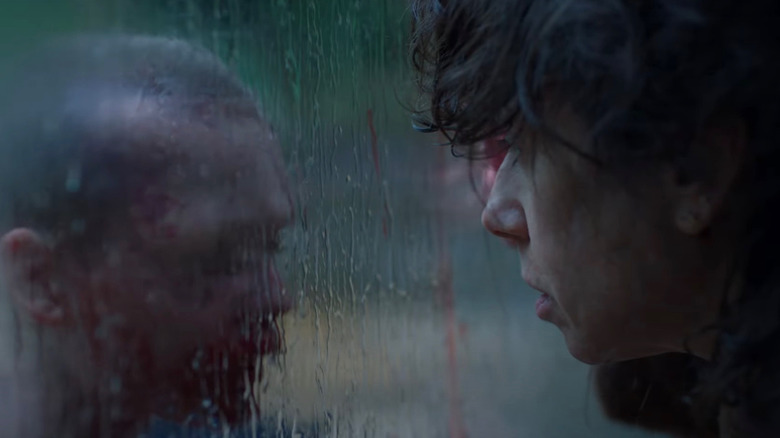
From their viral horror debut Talk to Me, Aussie twins Danny and Michael Philippou have carved a reputation for visceral terror. With Bring Her Back, they pivot from supernatural party horror to something darker—grounded, intentional, and relentlessly melancholy. This isn’t a fun scare-fest; it’s an immersive study of trauma, manipulation, and the enduring love between two siblings fighting to survive a nightmare.
Plot and Premise
When we first meet 17-year-old Andy (Billy Barratt) and his 14-year-old blind sister Piper (Sora Wong), we sense their deep bond. Within minutes, they’re orphaned—father dead in the shower—and thrust into foster care. Their social worker places them with Laura (Sally Hawkins), who lost her own daughter, Cathy, in a drowning accident. Laura’s eager warmth masks something dangerous.
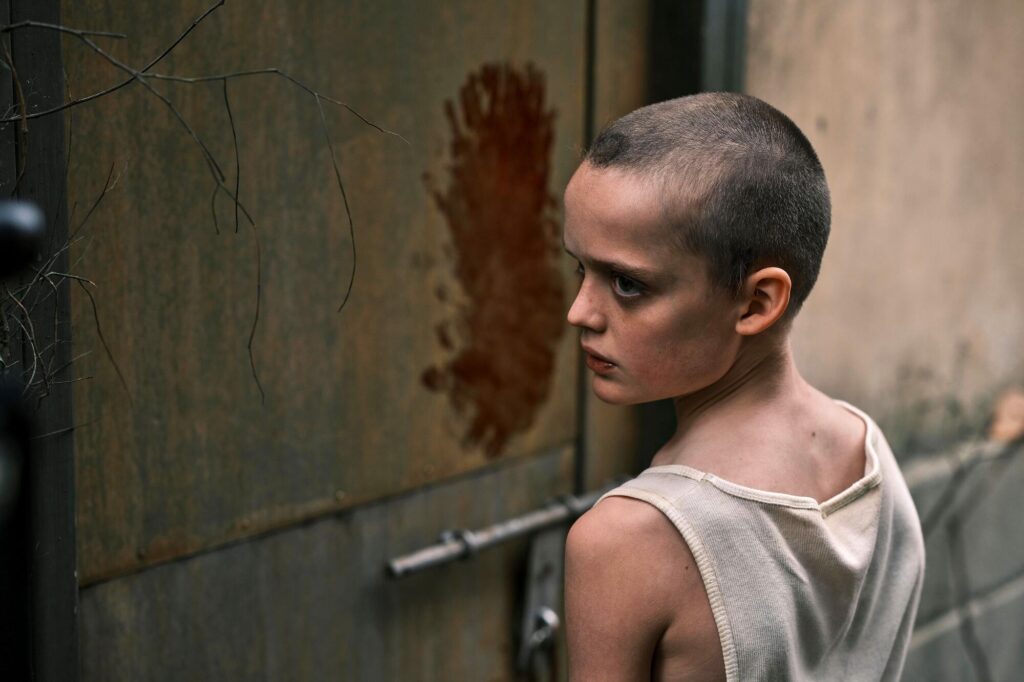
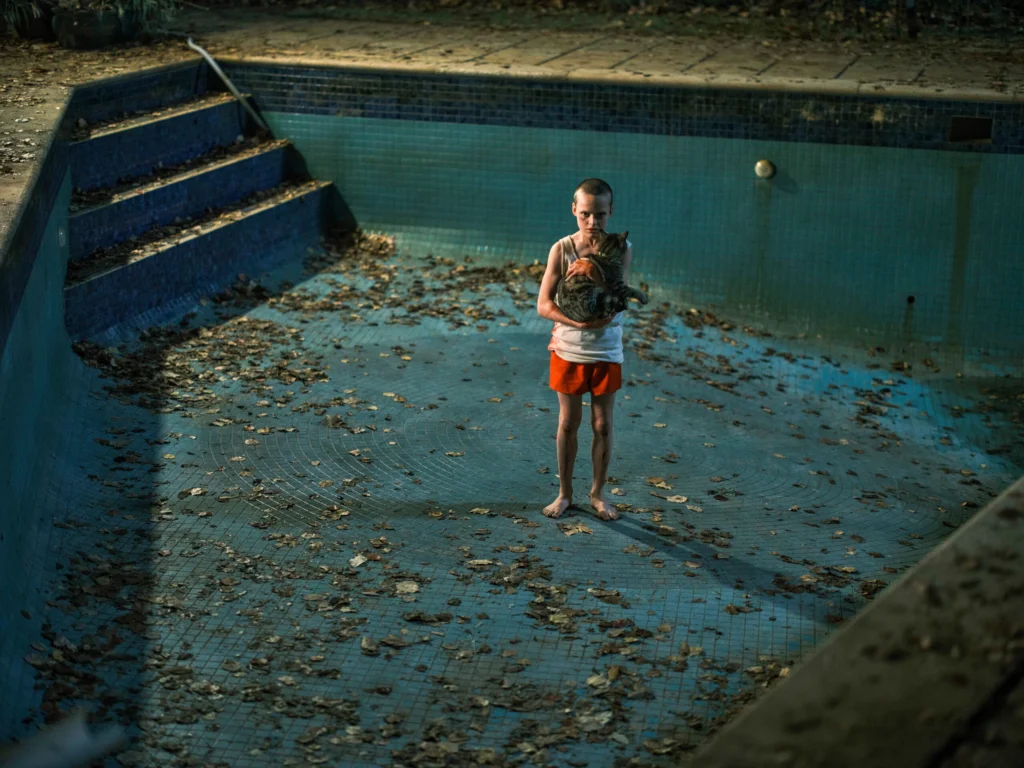
Their new foster brother, Oliver (Jonah Wren Phillips), is a silent presence with disturbing habits—sniffing drains, mutilating animals, eyes that never blink. Laura’s behavior grows increasingly odd, manipulating Andy and Piper with controlling affection and veiled threats. As tension rises, it becomes clear she’s planning an occult ritual to resurrect Cathy—forcing Piper into a horrific rite with Oliver acting as conduit.
The film’s culmination is brutal and harrowing: Andy is killed, Piper nearly drowned, the ritual failing, and Laura left clinging to her daughter’s corpse. In the aftermath, Piper reflects on Andy’s words about the afterlife, providing a slim glimmer of emotional escape.
Performances That Haunt
Sally Hawkins as Laura
Hawkins delivers her most unsettling performance yet. Her portrayal is chilling—alternately nurturing, unstable, and downright terrifying. She seductively draws the siblings into her web until the cracks appear, revealing a vengeful, broken psyche desperate for her daughter’s return. Amy Nicholson describes her as a “21st-century Grimm witch” whose psychological manipulation is as bone-chilling as any physical threat theaustralian.com.au+14latimes.com+14denofgeek.com+14rogerebert.com+7dailybruin.com+7bloody-disgusting.com+7time.com.
Billy Barratt as Andy
Barratt is a revelation. His raw vulnerability anchors the film—his terror and guilt palpable as he tries to protect Piper, pleading with social workers to stay together. His arc, from hopeful protector to tragic victim, gives the story emotional weight .
Sora Wong as Piper
Wong brings fierce depth to her role. Blind but unbroken, Piper exhibits strength, independence, and integrity—she jokes with Andy, explores her environment tactfully, and refuses to be the damsel. Her performance is remarkable, considering it’s her debut .
Jonah Wren Phillips as Oliver
Silent, still, and terrifying. His portrayal of a child trapped in possession is physical horror—eyes that stare and elicit dread. He’s the wild card in Laura’s ritual, and his performance is rightly praised as “hellishly impressive” theguardian.com+1latimes.com+1.
Direction & Atmosphere
Crafted with meticulous care, the film uses tension with surgical precision. Early moments, like the discovery of blood beneath Andy’s sheets, vault the atmosphere from uneasy to suffocating time.com+3bloody-disgusting.com+3bloody-disgusting.com+3. Cinematographer Aaron McLisky uses the sunny home setting to lull viewers into false security—until the golden-hour lighting exposes something rotten beneath. Cuts between warm domesticity and twisted ritual imagery amplify the unease theaustralian.com.au+4thejamreport.com+4rogerebert.com+4.
Unlike the jump-scare pacing of Talk to Me, this film builds dread slowly. Composer Cornel Wilczek’s score underpins this restraint: mournful piano, dissonant drones, and silence that drills into the psyche
Themes and Tone
Bring Her Back grapples with grief and the corrosive effects of denial. Laura’s ritual—or manipulation—is a metaphor for clinging to the dead and it destroys families. The siblings’ trust is weaponized against them.
The film’s tone is heart-crushing. There’s no relief: Megan Navarro calls it “the feel‑bad horror movie of the year,” and Chris Evangelista labels it “unapologetically disturbing” bloody-disgusting.com+2bloody-disgusting.com+2slashfilm.com+2.
Unlike many horror films, this one leaves you emotionally raw rather than merely frightened. It’s horror rooted in human suffering—and it never lets go.
Standout Moments
- The tender sibling exchanges—especially Andy retrieving Piper from her bus stop—ground the emotional stakes en.wikipedia.org+12bloody-disgusting.com+12bloody-disgusting.com+12.
- Laura’s booze-pour wake for the orphans, where domestic rituals warp into ceremonial horror .
- Oliver’s violent actions—knife mutilation, animals harmed—the practical effects linger time.com+1dallas.culturemap.com+1.
- The occult ritual scene, visceral and relentless, and emotionally crushing as Laura sacrifices her child’s life in pursuit of resurrection rogerebert.com+3time.com+3vogue.com+3.
- Final imagery—Laura cradling Cathy’s corpse, Piper clutching Andy’s memory—is bleak but artistically resonant.
Bullet Summary
- Grief as villain: Sustained, manipulative, and heartbreaking.
- Sibling bond: Anchor for survival—and heartbreak.
- Hellish mother: Laura’s collusion of love and obsession.
- Atmospheric tension: Warmth twisted into dread.
- Practical gore: Visceral and emotionally calibrated.
- Slow-build horror: No jump-scare carnival—just emotional unraveling.
Critical Reception
- Rotten Tomatoes: 89% Tomatometer timesunion.com+12latimes.com+12latimes.com+12bloody-disgusting.comdailybruin.comapnews.com+4rogerebert.com+4bloody-disgusting.com+4rottentomatoes.com+1time.com+1.
- The LA Times calls it “alive with nasty, visceral thrills” and praises its emotional manipulation latimes.com+1latimes.com+1.
- AP News notes its visually compelling but narratively fractured structure .
- The Guardian highlights Hawkins’s performance and the film’s psychological horror timesunion.com+8vogue.com+8datebook.sfchronicle.com+8.
- RogerEbert.com says it’s bracing yet slightly unfocused, leaning on grief as a catch-all .
- Bloody Disgusting and Den of Geek praise it as grim and unrelenting, proclaiming it the new benchmark for emotionally wrenching horror .
Recommended Viewing If You Liked This
- Talk to Me – grief horror with supernatural energy.
- Hereditary – family trauma boiled into terror.
- Midsommar – grief and ritual gone toxic.
- The Babadook – psychological horror centered on grief and motherhood.
- The Witch – slow, atmospheric terror.
- We Need to Talk About Kevin – destructive family dynamics.
- The Lodge – campground cult horror rooted in cold dread.
- Saint Maud – religious obsession meets psychological collapse.
- Goodnight Mommy – familial mistrust and performance.
FAQ
Q: How graphic is this film?
A: It’s quite graphic—practical gore, body horror, disturbing ritual sequences. Viewer discretion is advised.
Q: Is there any hope or redemption?
A: Very little. It ends mournfully, but Piper’s recollection of Andy’s comfort offers a slender emotional lifeline.
Q: How long is it?
A: 104 minutes—lean but impactful awardsradar.com+13apnews.com+13bloody-disgusting.com+13rottentomatoes.com+2rogerebert.com+2awardsradar.com+2time.comvogue.com+9en.wikipedia.org+9timesunion.com+9.
Q: Is it better than Talk to Me?
A: It’s darker, more emotionally harrowing, and less fun. Critics debate preference, but it’s harder to shake.
Q: Where can I watch it?
A: Released May 30 via A24 (US) and Stage 6 Films (Oz). Theatrical only for now; streaming likely later.