
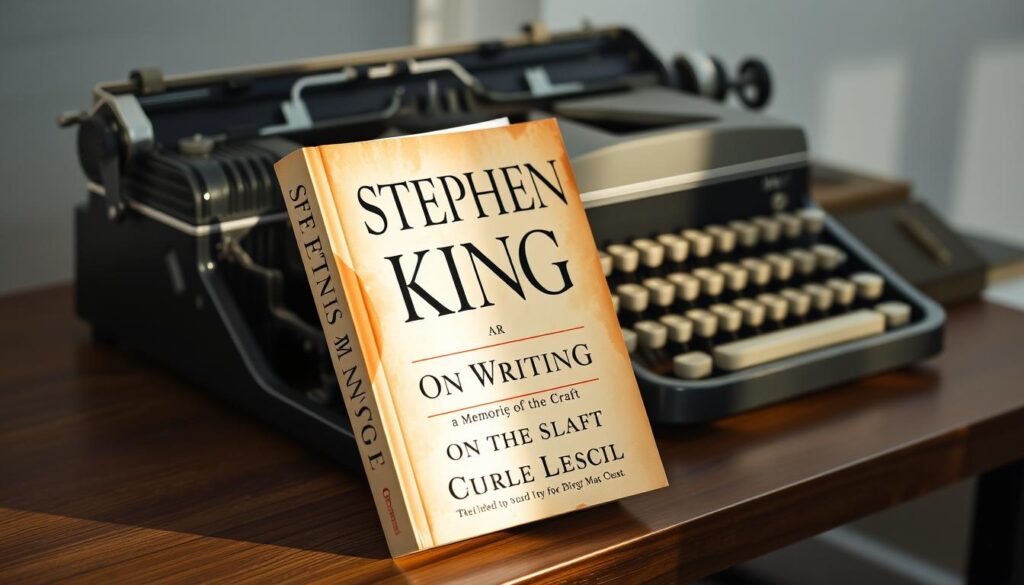
Few books on writing have achieved the status of Stephen King’s “On Writing: A Memoir of the Craft.” Part autobiography, part writing manual, this unique work offers readers a glimpse into the mind of one of the world’s most successful authors while delivering practical advice for writers at all stages. In this Stephen King On Writing review, I’ll explore how King blends personal anecdotes with writing wisdom to create an essential guide for aspiring authors and an engaging read for his fans.
The Structure: Memoir Meets Writing Manual
King divides “On Writing” into three main sections, each serving a distinct purpose while contributing to the book’s overall message about the writing craft.
C.V. (Curriculum Vitae)
The first third of the book is autobiographical, detailing King’s childhood, early writing attempts, struggles with addiction, and his journey to becoming a published author. These stories aren’t just entertaining—they show how King’s life experiences shaped his approach to writing.

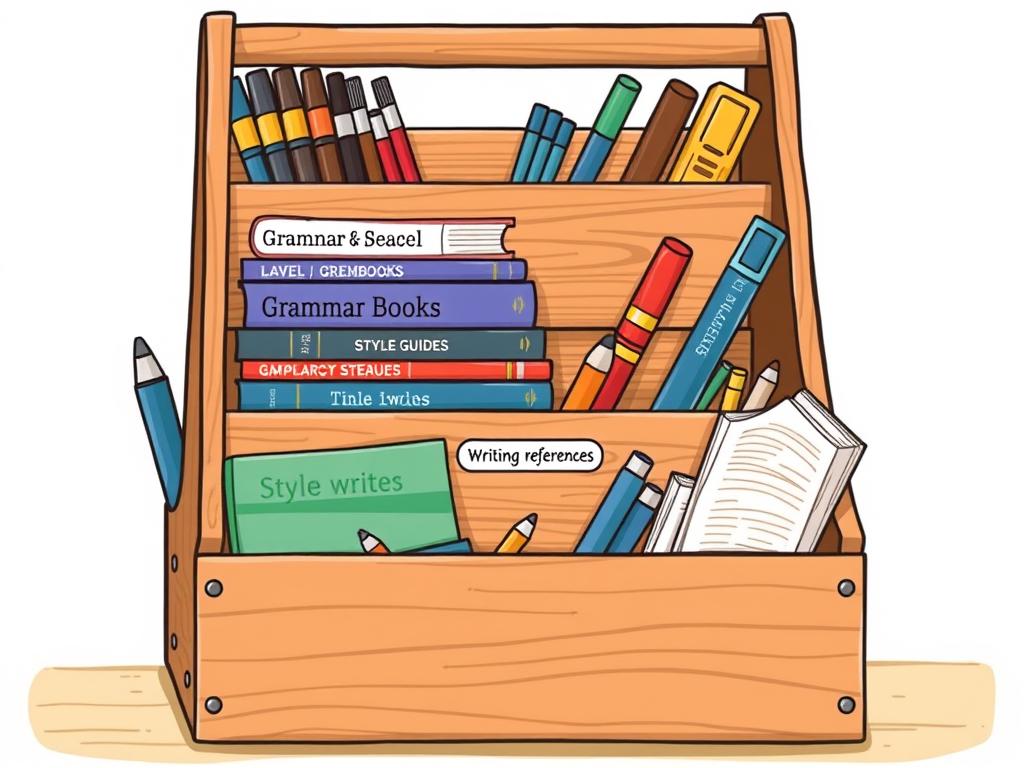
Toolbox
The middle section delivers King’s practical advice on writing. Using the metaphor of a toolbox, he discusses the fundamental elements writers need: vocabulary, grammar, style, and more. This section is where King shares his famous writing rules and techniques.

On Writing
The final section combines deeper writing advice with King’s account of the van accident that nearly killed him in 1999 and his subsequent return to writing. This part shows how writing served as both profession and therapy during his recovery.

Key Themes in “On Writing”
The Writer’s Journey
King’s personal narrative isn’t just entertaining—it’s instructive. From his earliest attempts at writing to his breakthrough with “Carrie,” King demonstrates that persistence is essential. He received enough rejection slips to nail to his wall before selling his first short story, showing aspiring writers that rejection is part of the process.

Writing as a Discipline
One of King’s most emphatic points is that writing requires consistent effort. He advocates writing 1,000 words a day, six days a week, and reading voraciously. This discipline, he argues, is more important than waiting for inspiration to strike.
“Amateurs sit and wait for inspiration, the rest of us just get up and go to work.”
The Reading-Writing Connection
King insists that good writers must be avid readers. He explains how reading widely helps develop an “ease and intimacy with the process of writing.” This connection between reading and writing appears throughout the book as one of his fundamental principles.

Overcoming Adversity
King’s account of his near-fatal accident in 1999 and subsequent recovery serves as both a dramatic personal story and a metaphor for the writing process. His return to writing during physical recovery demonstrates how the craft can be both challenging and healing.
Practical Writing Advice from the Master
King’s Writing Commandments
- Write with the door closed, rewrite with the door open
- Kill your darlings (cut unnecessary text, even if you love it)
- Avoid passive voice whenever possible
- Eliminate adverbs, especially in dialogue attribution
- Read and write every day without fail
- Remove distractions while writing (no TV, closed door)
- Let your first draft rest before revising
What to Avoid in Writing
- Excessive description that slows the narrative
- Overuse of adverbs (“he said grimly”)
- Passive voice constructions
- Pretentious vocabulary when simpler words work
- Plot-driven stories (characters should drive the plot)
- Writing solely for money or recognition
- Waiting for “inspiration” instead of developing discipline
The Writer’s Toolbox
King uses the extended metaphor of a toolbox to explain the essential elements of writing. He places vocabulary and grammar at the top level—the most accessible tools—while deeper levels contain more specialized techniques. This practical approach makes writing seem accessible rather than mysterious.
Ready to Build Your Writer’s Toolbox?
Get our free guide “Essential Tools for Writers” inspired by Stephen King’s approach. Includes practical exercises, checklists, and resources to strengthen your writing fundamentals.
On Dialogue and Character
King believes that characters should dictate the story, not the other way around. He advises creating authentic characters and then letting them determine what happens next. For dialogue, he recommends simplicity—primarily using “said” for attribution and letting the dialogue itself convey emotion rather than relying on adverbs.
“The road to hell is paved with adverbs.”
The Writing Process
King outlines his personal writing process, which includes:
- Writing a first draft with “the door closed” (for yourself only)
- Setting the draft aside for at least six weeks
- Revising with “the door open” (considering how readers will respond)
- Cutting at least 10% of the text during revision
- Seeking feedback from trusted readers
Personal Anecdotes That Shape King’s Philosophy
The Nail on the Wall
King describes how he collected rejection slips for his early stories, hanging them on a nail in his bedroom wall. When the nail could no longer support the weight of the rejections, he replaced it with a spike and continued submitting his work. This vivid image illustrates his persistence in the face of rejection.
The Janitor Job
While supporting his family before his writing career took off, King worked as a high school janitor. He describes cleaning the girls’ locker room and how this experience directly inspired the opening scene of “Carrie,” his first published novel. This story demonstrates how writers can transform mundane experiences into compelling fiction.

The Desk Metaphor
King shares how he once owned a massive desk that dominated his office—a symbol of self-importance. After sobriety, he replaced it with a smaller desk in the corner of the room, reminding himself that “life isn’t a support system for art. It’s the other way around.” This anecdote encapsulates his philosophy about the writer’s role.
“Put your desk in the corner, and every time you sit down there to write, remind yourself why it isn’t in the middle of the room. Life isn’t a support-system for art. It’s the other way around.”
The Van Accident
King’s detailed account of being struck by a van while walking and his painful recovery serves as both a dramatic life story and a metaphor for the writing process. His return to writing—just a little each day despite extreme pain—demonstrates his belief in persistence and the healing power of the craft.

King’s Conversational Writing Style
One of the most striking aspects of “On Writing” is King’s conversational tone. Unlike many writing manuals that feel clinical or academic, King writes as if he’s sitting across from you, sharing stories and advice over coffee. This approach makes complex writing concepts accessible and the memoir portions engaging.
Key elements of King’s writing style in this book include:
- Directness: King doesn’t mince words or hide behind jargon
- Humor: Self-deprecating jokes and amusing anecdotes lighten even serious topics
- Honesty: Frank discussions about his alcoholism and drug addiction
- Accessibility: Complex writing concepts explained in simple, relatable terms
- Passion: His love for writing and literature shines through every page
This conversational approach serves as a practical demonstration of King’s own writing advice: be clear, be direct, and don’t try to impress readers with your vocabulary or literary devices.

Who Should Read “On Writing”?
Aspiring Writers
For those hoping to write professionally, this book offers practical advice from one of the most commercially successful authors of our time. King’s no-nonsense approach cuts through the mystique of writing and presents it as a craft that can be learned through discipline and practice.

Stephen King Fans
Readers who enjoy King’s fiction will find fascinating insights into his creative process and the real-life experiences that inspired some of his most famous works. The autobiographical sections provide context for understanding King’s development as a writer.
Casual Readers
Even those with no writing ambitions can enjoy “On Writing” as a compelling memoir of a remarkable life. King’s accounts of childhood poverty, early struggles, sudden success, addiction, and recovery make for engaging reading regardless of one’s interest in writing techniques.

Ready to Learn from the Master of Horror?
Pick up your copy of “On Writing” today and discover Stephen King’s invaluable insights on the craft of writing and his remarkable life journey.
Strengths and Weaknesses of “On Writing”
Strengths
- Accessibility: Complex writing concepts explained in simple, relatable terms
- Practicality: Concrete advice that writers can immediately apply
- Entertainment value: Engaging stories make learning enjoyable
- Authenticity: King’s honesty about his struggles adds credibility
- Balance: Good mix of memoir and instructional content
- Inspiration: Motivates writers to develop discipline and persistence
Potential Weaknesses
- Genre focus: Advice primarily from fiction/horror perspective
- Unconventional structure: Not organized like typical writing manuals
- Subjective rules: Some writing advice reflects King’s personal preferences
- Limited scope: Doesn’t cover all aspects of publishing or marketing
- Dated references: Some cultural references may be unfamiliar to younger readers
- Brevity of technique: Some topics could benefit from more detailed exploration
Is King’s Advice Universal?
While King presents his writing rules with conviction, he acknowledges that different approaches work for different writers. His advice comes from his experience as a commercially successful novelist, primarily in the horror and suspense genres. Writers in other genres or forms (poetry, academic writing, etc.) may need to adapt his guidance to their specific needs.

Final Verdict: A Must-Read for Writers and King Fans
“On Writing” succeeds on multiple levels. As a memoir, it offers fascinating insights into the life and mind of one of our most successful contemporary authors. As a writing manual, it provides practical, no-nonsense advice that demystifies the craft. And as a narrative about perseverance, it inspires readers to pursue their passions despite obstacles.
What makes this book particularly valuable is how King blends these elements. The autobiographical sections aren’t just entertaining stories—they illustrate how life experiences shape a writer’s voice and provide material for fiction. Similarly, the technical advice isn’t presented as abstract theory but as practical tools that King himself has used throughout his career.
“Writing isn’t about making money, getting famous, getting dates, getting laid, or making friends. In the end, it’s about enriching the lives of those who will read your work, and enriching your own life, as well.”
Whether you’re an aspiring novelist, a devoted King fan, or simply someone who appreciates good storytelling, “On Writing” offers valuable insights delivered in King’s characteristically engaging style. It stands as one of the most accessible and honest books about the writing craft available today.
Take Your Writing to the Next Level
Download our comprehensive “Writer’s Roadmap” guide inspired by Stephen King’s advice. Includes practical exercises, writing prompts, and a 30-day writing challenge to help you develop the discipline and skills King recommends.
Frequently Asked Questions About “On Writing”
Is “On Writing” helpful for non-fiction writers?
While King’s experience is primarily in fiction, many of his principles apply to non-fiction as well. His advice on clarity, conciseness, and the discipline of writing regularly is valuable for all types of writers. However, those focusing exclusively on non-fiction might want to supplement with genre-specific resources.
Do I need to be familiar with Stephen King’s novels to appreciate this book?
Not at all. While King occasionally references his own works, the book stands on its own as both a memoir and writing guide. That said, readers familiar with his novels may gain additional insights into his creative process and the real-life inspirations behind some of his stories.
How much of the book is memoir versus writing advice?
Approximately the first third of the book is primarily autobiographical, the middle third focuses on writing advice, and the final third blends both elements while discussing King’s accident and recovery. Throughout the book, however, the memoir elements and writing advice inform each other.
Does King discuss the business side of publishing?
King touches on his early experiences with publishing and agents but doesn’t provide detailed advice about the business aspects of writing careers. His focus is primarily on the craft itself rather than marketing, contracts, or career management.