
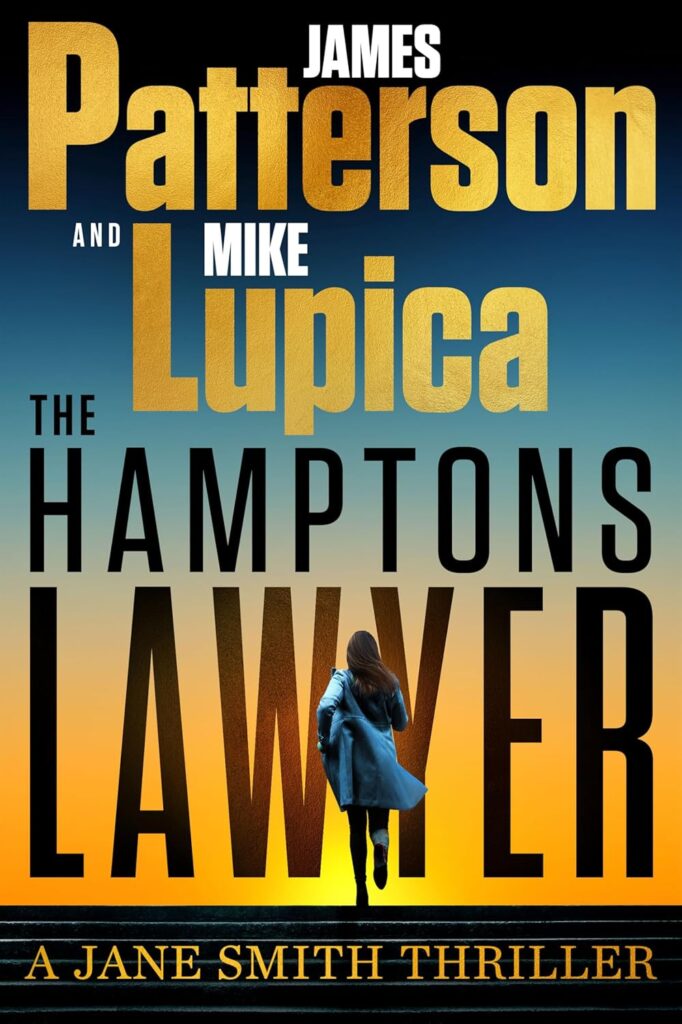
There’s no shortage of schemes or celebrities on parade in The Hamptons Lawyer: A Jane Smith Thriller, and thank goodness, because Jane Smith—our beleaguered attorney with nerves like piano wire and an appetite for chaos—would probably start organizing her stapler if the courtroom were ever calm. As the third wild ride in the series, this book doesn’t just dip a toe into the world of high-stakes legal drama; it does a cannonball, flinging Jane headlong into a mess of money, fame, and secrets that would send lesser lawyers running for a quiet desk job at the DMV.
Right from the start, everything feels slightly off-kilter: sun-drenched beaches, oversized sunglasses hiding even larger egos, and Jane, trying to keep her hair straight in the salty breeze while the legal machinery whirs ominously in the background. There’s suspense in every phone call, and the plots stack up faster than subpoenas at a society gala. What really grabs me, though, isn’t just the mystery or the constant danger—it’s Jane’s unique knack for survival, her dry wit soaking up even the most absurd moments, and a kind of hard-won resilience that’s less motivational poster, more laugh-through-the-pain brand of tenacity.
If you’re after perfectly pressed suits, airtight alibis, and a heroine who never drops her phone in the sand, keep looking. The Hamptons Lawyer: A Jane Smith Thriller is about sharp humor, relentless momentum, and one attorney who refuses to be a footnote in someone else’s headline, no matter how many bodies show up in the linen closet.
Table of Contents
Jane Smith: A Legal Force in The Hamptons
You won’t find a more unlikely legal hurricane than Jane Smith. In The Hamptons Lawyer: A Jane Smith Thriller, the beaches are full of golden sunlight and loose change, but it’s Jane’s stubborn streak and head-on grit that really light up the east end. Forget the drama swirling around the rich and reckless—Jane is fighting her own private war, shoving back against fate and court stenographers with the same darkly comic determination. She turns her weaknesses into weapons, flipping every expectation on its head. In the chaos of celebrity scandal and criminal mischief, nobody takes a seat at the table quite like Jane.
Resilience in the Face of Illness
Jane Smith isn’t just jousting with headlines and overcaffeinated prosecutors—she’s staring down a terminal diagnosis with the kind of grim humor that belongs on a hospital whiteboard. Throat and neck cancer isn’t supposed to pair well with shouting objections or muttering to the judge, but Jane manages to stitch her failing health directly into her power suit. Every court date is a slow-motion footrace against pain, but she treats doctor’s warnings like mere speed bumps.
You see her cough through cross-examinations, grind out late-night prep sessions, and walk into court when she ought to be flat on a gurney. The result? Her illness becomes a kind of dare—try scaring her with jury antics after she’s heard her oncologist read the fine print. This persistent battle gives Jane her edge: the world keeps raising the stakes, but she’s betting with house money now. Mortality hovers, but she rolls her eyes at it, squeezing every last drop of professional venom from the cancer that refuses to play fair. Her unflinching attitude, forged in the fires of chemo and surgery prep, sandblasts away any pretense in the courtroom, leaving only raw honesty and a pinch of gallows humor.
Legal Brilliance and Courtroom Skills
You may think illness would rattle her skills, but that’s like worrying a tornado might mess up your hair. Jane’s defense strategies are all teeth and irony. She works a jury like a ringmaster, picking apart bias as if she’s shucking oysters. Strategy? She’s got it down to a science—though it sometimes looks more like controlled chaos. Jury consultants call her a wild card, but Jane cherry-picks jurors with the precision of a surgeon eyeing a tumor (one she’d probably nickname and make fun of for extra luck).
Evidence handling isn’t just a job, it’s performance art. She reassembles shredded affidavits and late-breaking confession videos as if she’s playing Tetris in a thunderstorm, dodging last-minute curveballs thrown by prosecutors who underestimate her no-nonsense approach. Her courtroom presence, meanwhile, makes even the court bailiff sit up straighter. She’s quick-witted, irreverent, and locked on target—each sarcastic aside hiding layers of calculation.
For readers who love a legal thriller with extra bite, Jane’s smart tactics and dry one-liners crank up the suspense and make every cross-examination a minor spectacle. While other lawyers fumble with notes or ask the court for patience, Jane quips her way through medical interruptions and legal ambushes alike. If fate is dealing from the bottom of the deck, she’s already learned how to call the bluff. In The Hamptons Lawyer: A Jane Smith Thriller, the case may be messy, but Jane’s mastery in front of a judge is anything but.
Inside the Plot: Unraveling High-Stakes Suspense
Secrets don’t just hide under Hamptons hedges—they set up camp in the headlines. When your client list looks more like a red carpet line-up and your adversaries send threats in leather gloves (and sometimes with actual leather gloves), suspense isn’t so much an add-on as the entire framework. The Hamptons Lawyer: A Jane Smith Thriller knows exactly how to keep readers circling—sharpening every twist with the bite of celebrity fallout and the lurking menace of organized crime. Nothing’s ever just about the law; it’s about power, fame, and how quickly a clever lawyer can chisel her way out of the gossip pages without landing in the obituaries.
Celebrity Clients and Media Scrutiny
Every high-profile client comes with entourage, secrets, and about a million cell phones flashing just in case something juicy tumbles out. Jane Smith doesn’t just defend the famous—she inherits their circus, complete with make-up artists holding up mirrors to their worst impulses. The Hamptons Lawyer: A Jane Smith Thriller leans into this chaos, letting media attention whip up the stakes until even a quick coffee run becomes a photo-op-turned-interrogation.
When news vans and court sketch artists show up before the bailiff has unlocked the courtroom, Jane faces her own daily tap-dance. Everything from her outfit to the angle of her jaw gets analyzed, and even the most routine legal maneuver may wind up dissected in a breakfast show monologue. What’s remarkable—and darkly funny—is how she learns to flip this attention. Jane juggles her clients’ demands, dodges paparazzi ambushes, and side-steps old colleagues who show up with “anonymous tips” while carrying a copy of Variety.
But there’s something more than slapstick happening beneath the surface glare. For lawyers like Jane, the media’s gaze isn’t just a distraction; it’s a tactical risk. One slip, and sensitive evidence or cringeworthy details explode across social media. Far from blundering, Jane threads the needle—surfing press conferences while refusing to feed the headline vultures. As lawyer stories go, this book gets ruthlessly close to how the courtroom and the cameras play their own twisted chess game, with the lawyer’s reputation often the first pawn to topple. For more on how pop culture reflects and distorts legal reality, check out this examination of the truth in legal fiction or a detailed look at publicity in high profile criminal cases.
This pressure-cooker dynamic means that every cross-examination may be scrutinized by legal pundits and meme creators alike. There’s an electric charge in seeing Jane orchestrate the narrative, nudging both judge and journalist back on their heels. Only someone with her grit and gallows humor could survive—let alone thrive—in a world where breaking news can break you with a single viral moment.
Organized Crime and Existential Threats
High-stakes legal fiction often promises danger—but The Hamptons Lawyer: A Jane Smith Thriller actually brings the threat home. Forget menacing phone calls or ominous letters. Jane’s cases—thick with the scent of old-money secrets and new-money vendettas—brush up against real peril: shadowy visitors, subtle sabotage, and the always lingering hint that someone is watching from the next luxury car over.
The book pulls no punches with its depiction of organized crime. Jane’s adversaries don’t just play rough; they treat intimidation as a contact sport, and the line between witness tampering and personal vendetta blurs until even the most routine deposition needs an escape plan. There are tense scenes with Jane double-checking locks, rerouting her drive home, or just quietly moving her client conferences to places with visible exits and a handy fire extinguisher.
It’s the existential threat that really brings the suspense to a simmer—rare among legal thrillers that sometimes draw a cartoon around danger. Jane doesn’t just experience stress; she faces the very real prospect of violence, both promised and implied, that shadows anyone brave (or foolish) enough to stand up to criminal interests tied to immense wealth and social clout. The book manages to ground these threats in the workaday reality of legal professionals, shining a light on the sometimes ignored risks attorneys face when their cases aren’t just about documents, but about survival.
There’s an extra weight, too, given Jane’s personal vulnerabilities. Her ongoing fight against illness means that every threat lands twice as hard, with a sense that time could run out before the trial does. The result is a thriller that doesn’t just scare—it respects the danger while refusing to let fear shrink the story down. For readers interested in how psychological suspense and genuine peril can drive a narrative without resorting to cheap tricks, you might enjoy the review of psychological suspense in Close Your Eyes.
In this book, the threat of violence is never just set-dressing. It’s the silent extra at every legal meeting and a key player in the shadowy chess match between justice and survival. As Jane faces down unflinching enemies, the stakes rise with every move—leaving both the character and the reader freshly alert, always ready for the next twist.
True-to-Life Legal Procedures and Realism
No one expects a legal thriller to read like a bar exam outline, but The Hamptons Lawyer: A Jane Smith Thriller manages to blend courtroom flair and authentic procedure so seamlessly you’d swear a judge might burst through your headphones with a contempt citation. There’s a kind of messy precision here: every loophole closed, each strategy road-tested on the wild streets of legal reality, then dressed up for the high drama of Hamptons scandal. The result? Scenes ripple with both suspense and credibility, sidestepping the legal TV clichés in favor of sharp detail and real procedural sweat.
Jury Consulting and Team Dynamics: Trusted Allies in Courtroom Chess
Jane Smith knows the law is never a solo venture—especially in a case where the stakes are sky-high and the opposition is both wealthy and surprisingly good at poker faces. Enter Norma Banks, the senior jury consultant, always on hand with a notebook full of human tells and a gaze that could melt perjury out of anyone. Norma’s not just background noise; she’s the secret ingredient in Jane’s recipe for courtroom survival.
The relationship between attorney and jury consultant in The Hamptons Lawyer: A Jane Smith Thriller isn’t just functional—it crackles with a mix of strategy sessions, spicy arguing over voir dire picks, and the kind of team loyalty you usually find in late-night pizza-fueled war rooms. Norma’s sharp instinct for human nature guides Jane as she slaloms around potential jurors with hidden agendas or suspiciously neutral shoes.
Team dynamics add more chaos and depth, with every sidekick (from the junior attorneys still learning how to not spill coffee on the deposition files, to the much-needed assistant who actually remembers court deadlines) getting their moment. These characters aren’t legal wallpaper; they shape defense strategy, spot witnesses’ nervous tics, and cram last-minute research into Jane’s already-overcrowded iPad.
Here’s what makes the team essential:
- Pattern recognition: Spotting tiny shifts in juror expressions the way others watch for changes in weather.
- Group think busting: Checking Jane’s tunnel vision, Norma isn’t afraid to poke holes in a flawed theory before the prosecution can do it first.
- Morale control: Sometimes legal brilliance is about handing Jane a coffee at the exact moment before meltdown.
These details paint a layered picture, giving the feel of real-world practice where nobody wins alone and the jury box is its own unpredictable animal.
Handling Evidence and Trial Tactics: Subpoenas, Strategy, and Forensic Details
If the Hamptons are all about gilded surfaces, Jane’s approach to evidence is pure grit—handling each shard like it’s both treasure and trap. Legal tactics jump from the page and refuse to behave; this isn’t a sanitized walk-through of procedure, but a wild obstacle course.
Take subpoenas. In The Hamptons Lawyer: A Jane Smith Thriller, Jane and her crew spend half their hours wrangling deadlines and paperwork, outmaneuvering reluctant witnesses or rich adversaries whose favorite word is “noncompliance.” The drama isn’t just from the evidence itself, but from the frantic race to get it into the courtroom before it ages out of usefulness or vanishes in a wave of procedural objections.
Defense arguments get an entire tactical wardrobe:
- Pre-emptive strikes: Hitting the opposition with last-minute filings that force them to play defense.
- Challenging chain of custody: Any crack in the custody timeline means Jane pounces like a cat at a shoelace.
- Humanizing defendants: Transforming cold data and digital breadcrumbs into stories that linger in juror minds.
And let’s not forget time-stamped forensics—the kind of tiny details that swing the mood from comic chaos to electric tension. The book details forensic experts scrapping over metadata, tech staff retrieving deleted texts, and the classic scramble when security footage metadata becomes the case’s linchpin. For anyone wanting a glimpse into how modern evidence wrangling actually looks, the specificity here feels spot-on, something echoed in deep dives like the realities of digital forensics in the courtroom.
The upshot is pure suspense, but with enough authenticity to satisfy even hard-nosed court watchers. Jane’s crew isn’t just making legal magic—they’re sweating the small stuff, with every deadline, document, and forensic timestamp pushing the story (and your blood pressure) just a little higher.
Themes and Emotional Impact in The Hamptons Lawyer: A Jane Smith Thriller
The Hamptons Lawyer: A Jane Smith Thriller doesn’t just get its kicks from plot twists or news cameras hungrily circling the periphery. What really grabs hold—and squeezes, not so gently—is the way the book juggles big, messy themes and leaves my nerves rattling long after the last gavel drops. Some writers turn the dial to “emotionally stirring” by dispatching a supporting character or introducing a tragic backstory. This book barely bothers with subtlety. Instead, it drops Jane (and frankly, the rest of us) into a blender of mortality, power struggles, dark humor, and the kind of uneasy hope that creeps in through courtroom skylights.
Mortality and Courage in the Face of Chaos
Every page feels like it’s crammed with reminders that—despite all the Hamptons sparkle—nobody gets out with flawless skin or a guarantee of tomorrow. Jane’s own health battle smolders underneath everything, a constant frayed wire threatening to short-circuit her composure when the courtroom roars. Her cancer diagnosis isn’t just a plot device. It’s the backdrop against which every victory, setback, and offhand wisecrack sparkles.
What strikes me isn’t just the fear or exhaustion (plenty of that to go around), but how Jane meets grim odds head-on. She cracks jokes with one hand while tightening her grip on the case notes with the other. That mixture of brittle courage and dry humor? It creates a mood thick with both tension and pathos. The effect lands somewhere between gallows humor and sharp, stoic realism—never let it be said Jane Smith goes quietly. If you’re curious how emotional struggle and humor operate in other successful legal novels, check out this thoughtful exploration of why we love legal thrillers.
Power, Class, and the Illusion of Control
Beneath the quips and court battles, The Hamptons Lawyer: A Jane Smith Thriller understands how power sloshes around the Hamptons like spilled champagne. This isn’t just background noise. The tension between old money arrogance and self-made grit is front and center, pulsing through every dialogue and headline-grabbing scandal. Jane is constantly reminded that her own sense of justice lives at the whim of bank accounts, celebrity reputations, and a legal system that seems written in pencil for the rich and permanent marker for everyone else.
The brilliance of this book lies in how it skewers privilege without getting preachy. It’s not just Jane versus The System—it’s Jane against every smirking billionaire who thinks a sea view and a high-powered attorney make guilt go away. The gulf between who’s holding the briefcase and who’s covering up the yacht-sized secret rarely closes, and that breeds a different kind of suspense: the worry that truth, in these circles, is just another accessory, ready to be swapped out for something shinier when the lawyers leave.
Ethical Compromise and Moral Uncertainty
Success in Jane’s world comes with strings so tangled it would take hours just to unknot the first one. This is not a story where “good” and “bad” sit on either side of the aisle, waiting their turn. Instead, we see every flavor of compromise sucked into the courtroom air—Jane weighing her sense of responsibility for clients against her need to win, her own health against the principles she supposedly won’t twist.
No choice is ever clean, and that grime gets under your nails. Self-preservation sometimes masquerades as clever lawyering, and even Jane’s sharpest victories taste, at best, bittersweet. The book’s ability to make readers care about those moral gray zones? That’s a big part of its emotional punch. The story juggles hope and cynicism so nimbly that it sometimes feels like you’re watching a circus act on the edge of collapse, which, in this case, is a compliment.
Humor as Both Armor and Weapon
The Hamptons Lawyer: A Jane Smith Thriller wrings belly laughs from the bleakest courtroom fights. Jane’s sense of humor isn’t an aside; it’s her survival kit, wielded against both pompous rival attorneys and her own creeping dread. Even minor characters pick up the beat, trading sarcasm and side-eye like currency.
This humor does more than distract from the heavy stuff. It exposes how even in the most high-stakes chaos, laughter cuts deep—poking holes in authority, smoothing over terror, and keeping Jane (and readers) present in the moment. The way wit shapes the emotional reality here would fit neatly with the appeal of legal thrillers, especially when stories manage to mix entertainment with the heaviness of legal drama.
The Persistent Pull of Justice
At the heart of The Hamptons Lawyer: A Jane Smith Thriller sits a stubborn, battered hope that the law sometimes does work. Justice here isn’t a statue in a marble corridor. It’s a flicker, a half-muttered promise that all the wrangling and bruised egos will eventually count for something. For Jane, every closing argument is a swing at a world that tilts toward chaos and privilege.
Justice doesn’t come tied up in a neat bow—often, it’s bruised and limping at the end of the book, but it’s there. The story gets at the emotional cost and exhaustion that come from believing, stubbornly, that truth still matters. This theme hits home for anyone who’s ever rooted for a flawed hero to scrape a win from the brink—and keeps the pages flying, whether or not the verdict lands just right. If you’re interested in a deeper dive into what makes legal thrillers tick, including the enduring hope for justice, you’ll get useful insights from these tips for legal thriller writers.
Each of these themes gives the book its bite and brawn, setting it apart from formulaic legal stories. If you’re after a thriller that twists your stomach and cracks you up, that leaves you both rattled and somehow hopeful, The Hamptons Lawyer: A Jane Smith Thriller has the emotional payload to pull it off.
Critical Reception and Reader Response
Literary opinions, both from critics and readers, shape the legacy of any thriller, and The Hamptons Lawyer: A Jane Smith Thriller is no exception. With each new entry, fans and reviewers look for a blend of sharp writing, emotional punch, and clever plotting. In this section, I’m unpacking where this third installment sits within the full Jane Smith series, noting its evolution, and showing how it stands out both inside and outside its genre.
The Jane Smith Thriller Series in Context: Positioning, Tone, and Stand-Out Qualities
When I look at The Hamptons Lawyer: A Jane Smith Thriller, the book doesn’t just follow its predecessors—it raises the stakes. The first Jane Smith novel introduced readers to a quick-thinking defense attorney balancing heavy cases and personal challenges. The second deepened her backstory and gave more page time to her illness, pulling readers into Jane’s private war. Now, the third book accelerates both pace and intensity, with bigger cases and a sharper focus on the ugly glamour of wealth and scandal in the Hamptons.
The tone has changed across the series. The earliest books mixed legal puzzle-solving with flashes of dark humor, but this volume turns the sarcasm up and lets vulnerability peek through during quieter moments. If the prior entries were tight procedural dramas, this one feels more like a juggling act—balancing high drama, biting wit, and genuine fear in a world where even hospital visits can come with a subpoena.
Character development also gets a boost here. Jane isn’t just the scrappy lawyer seen in the first book or the survivor from the second. This time, she’s weary but undeterred, her medical reality always looming yet never defining her. Supporting cast members like Norma, the jury consultant, or the parade of junior attorneys aren’t just background—they create a real sense of legal teamwork and human unpredictability.
Compared to contemporary legal thrillers, The Hamptons Lawyer: A Jane Smith Thriller manages to feel both authentic and refreshingly irreverent. Many books in this space chase procedural accuracy or classic suspense, but Jane’s world feels lived-in and messy. The stakes are more than a verdict—reputation, health, and even personal safety hang in the balance. For those curious about the broader appeal and criticism of legal thrillers, articles like Legal Thrillers: Why we love them—and reviews of three new ones offer a useful perspective. They highlight how recent works, including this one, bend genre conventions and draw in readers with raw vulnerability and a sense of sharp-edged fun.
In terms of complexity, this third book weaves courtroom tactics, forensic detail, and the relentless PR storm of the Hamptons with a deft hand. Where some legal fiction gets bogged down in technicalities or pure spectacle, this novel finds its tension in believable flaws and a courtroom that feels unpredictably real. If you want to dig deeper into how legal thrillers change over time, especially in their portrayal of lawyers and cases, the essay “Realism and License in Legal Thrillers” is a great resource.
The bottom line: The Hamptons Lawyer: A Jane Smith Thriller stands out for its balance of humor, realism, and high emotional stakes. It builds on what works in the series while carving out its own space alongside the best in legal fiction, making it a must-read for anyone craving a legal battle with real-world grit and heart.