In a publishing landscape crowded with labels, the most exciting books are those that refuse them. In 2025, more than ever, authors are embracing genre hybrids — novels that draw from multiple literary traditions to surprise, challenge, and delight readers. These are the books that don’t fit neatly into “fantasy,” “romance,” or “mystery,” but instead fuse aspects of each to forge something fresh.
Below, I highlight seven standout hybrid works circulating in 2025, examine what makes them compelling, and share tips for readers and writers who want to navigate (or create) in this borderless space.
What Makes a Book a “Genre Hybrid”?
Before diving into the books, let’s clarify what a “hybrid” novel is—and why it matters.
A genre hybrid (or cross-genre) is a story that combines elements, conventions, or tropes from two or more traditional genres. For instance:
- A novel that is both science fiction and mystery—you expect technology, gadgets, or world-building, but also clues, suspense, and the tension of unraveling an enigma.
- A historical fantasy that roots itself in real events or eras while introducing magical elements or alternate reality.
- A romantic suspense that marries emotional arcs and relationship dynamics with high stakes, danger, or crime.
What’s fueling the rise of hybrid fiction in 2025?
- Reader maturity — Many readers now feel confident navigating genre conventions and enjoy being surprised.
- Market differentiation — A hybrid can stand out in an oversaturated genre shelf.
- Creative flexibility — Authors aren’t chained to rigid genre rules; they can mix and match what serves their story.
As you read, you might link to your own Book Reviews or Genre & Fiction sections on your site to keep visitors exploring once they land here.
7 Genre Hybrids to Watch in 2025
Here are seven recent or trending books that exemplify genre blending—each with something unique to teach us.
1. Archive of Unknown Universes by Ruben Reyes Jr.
This debut is a stunning example of hybrid narrative in action. It weaves together historical fiction, sci-fi, war chronicle, and dual love stories across two time periods: 2018 in Massachusetts and 1978 in Havana. Goodreads
Why it works:
- The temporal structure allows thematic echoes across eras: memory, loss, and how technology (or political technologies) shapes identity.
- Love stories are not mere side arcs—they’re integral to how characters engage with resistance, exile, and belonging.
- The hybrid nature feels seamless rather than forced.
2. Harmattan Season by Tochi Onyebuchi
This novel blends noir / private investigator fiction, fantasy elements, and alternate history / colonial tension. Wikipedia
Plot sketch: Bouba, a “deux-fois” (of mixed heritage), investigates a disappearance in a city under colonial occupation. He also grapples with a supernatural ability to “Float.”
Highlights:
- The internal tension of identity: mixed heritage, belonging, power, and betrayal.
- The noir structure (clues, investigation, moral ambiguity) grounds the fantasy.
- Each genre element amplifies themes instead of competing with them.
3. The Möbius Book by Catherine Lacey
This 2025 release is a compelling hybrid of memoir and novella, stitched together in an autofictional form. Wikipedia
In The Möbius Book, a relationship fracture becomes the lens through which Lacey explores mental health, creativity, and self beyond story.
Why it matters:
- The memoir/fiction boundary invites readers to question “truth” in storytelling.
- The structure is itself a commentary: the novel loops, reflects, and refracts.
- It feels intimate and experimental.
4. Seven New Genre-Blending Books Out in June 2025 (Anthology of Trends)
Not a single novel, but a useful snapshot: Book Riot listed seven new hybrid works coming in June 2025, mixing romance + mystery, sci-fi + horror, spy + fantasy, and more. BOOK RIOT
Why include this:
- It shows how pervasive hybridity is across subgenres.
- It offers inspiration for “blends you haven’t tried yet.”
- It gives you leads—some of those titles may be early for review or coverage.
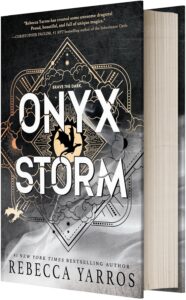
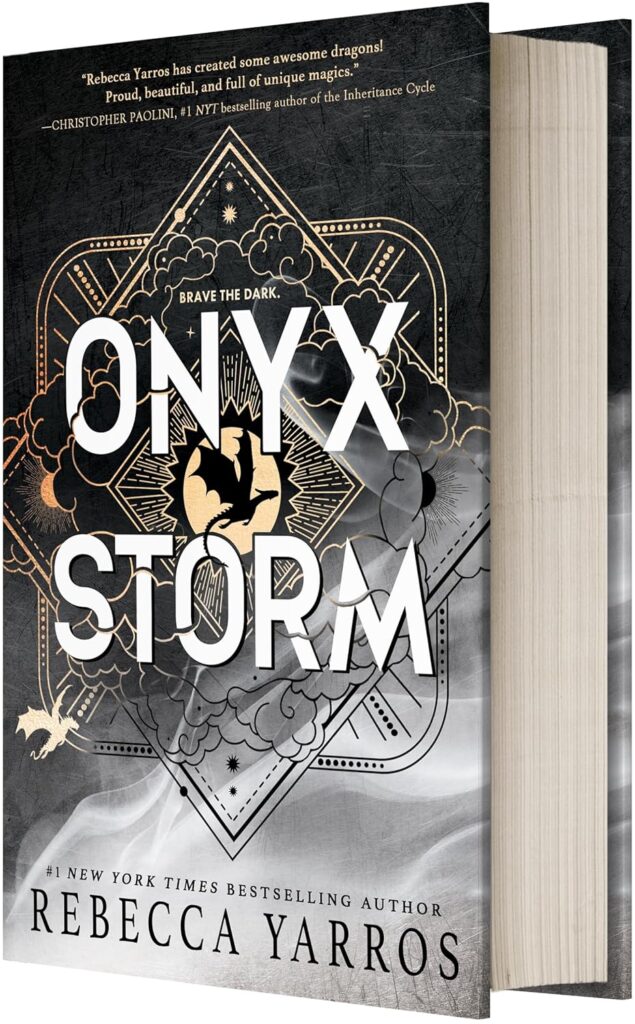
5. Onyx Storm by Rebecca Yarros
Though primarily fantasy, Onyx Storm leans into romantasy (romance + fantasy) in bold ways. Wikipedia
Elements:
- Politics, betrayal, and dragon magic mix with erotic tension and emotional stakes.
- The romantic arc isn’t secondary—it’s a driver of character choices and world consequences.
Onyx Storm reminds us that blending doesn’t always mean equal weight; sometimes one genre is primary, with another woven in meaningfully.
6. The Devils by Joe Abercrombie
This grimdark fantasy novel also carries elements of myth, horror, and speculative stakes. Wikipedia
Why it qualifies:
- While fantasy is dominant, darker “horror” tones and morally ambiguous supernatural forces penetrate the narrative.
- The ensemble cast, epic journey, and mythic ambitions expand it beyond standard fantasy fare.
7. (Honorable mention) Seascraper by Benjamin Wood
Though more subtle, Seascraper blends literary fiction with a touch of allegory and symbolic realism. Wikipedia
The story of a man scraping a living along a shifting coastline touches on dreams, desire, and existential weight. The literary + symbolic crossover gives it hybrid resonance.
What Sets the Best Hybrids Apart
From reviewing these, some traits emerge. If you’re a reader, you’ll notice them; if you’re a writer, you’ll want to aim for them:
1. Internal coherence
The mix of genres should make sense within the world. If magic, tech, or myth enters, its rules must be consistent, with consequences and limits.
2. Balanced weight
Genre elements shouldn’t feel tacked on. The emotional or thematic core should integrate both (or all) strands.
3. Subversion of expectations
Hybrids often succeed by twisting genre norms. For instance, a detective in a sci-fi setting might conclude something supernatural, overturning your assumptions.
4. Reader signaling
Because hybrids may confuse shelving or categorization, the cover, subtitle, or opening pages should help orient the reader — set expectations gently.
5. Thematic resonance
Genre blending often mirrors theme: identity, duality, liminality, conflict between old & new. The hybrid form can echo the story’s deeper questions.
Tips for Writers (and Readers Who Write)
- Start with one genre you love and then see what other elements naturally pressure the story. Don’t force mixing from the outset.
- Limit your combination — mixing three, four genres risks incoherence unless handled with strong discipline.
- Define rules early — how does magic or tech work? What are the stakes? Lay groundwork before leaning into surprises.
- Use genre tools as flavor, not crutches — you may borrow a detective format, but the emotional stakes must carry the story.
- Be transparent to your reader — hints, tone, voice should signal the hybrid so the reader isn’t feeling “tricked.”
- Read across genres — immerse yourself in sci-fi, romance, literary fiction, magical realism — so you know what tools to borrow and avoid clichés.
How to Use This on The Literary Compass
- Once you review any of the books above, link this article to their review pages using anchor text like our review of Harmattan Season or covering The Möbius Book.
- In your “Genre & Fiction” or “Trends” section, use this piece as a hub to which you later connect related articles (e.g. How to Write Cross-Genre, Hybrid Trends by Genre).
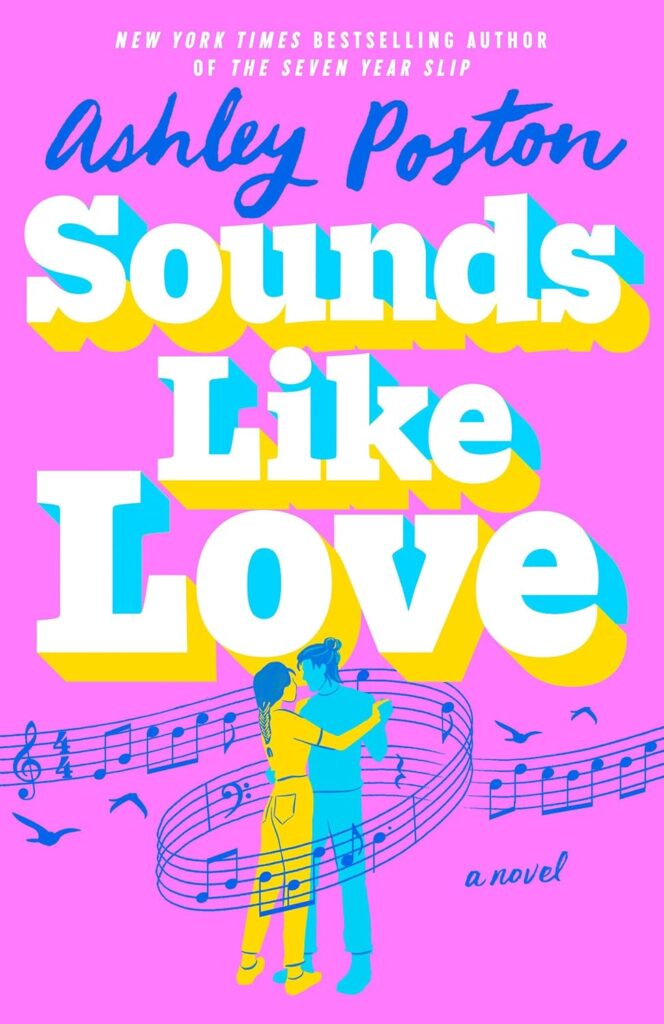
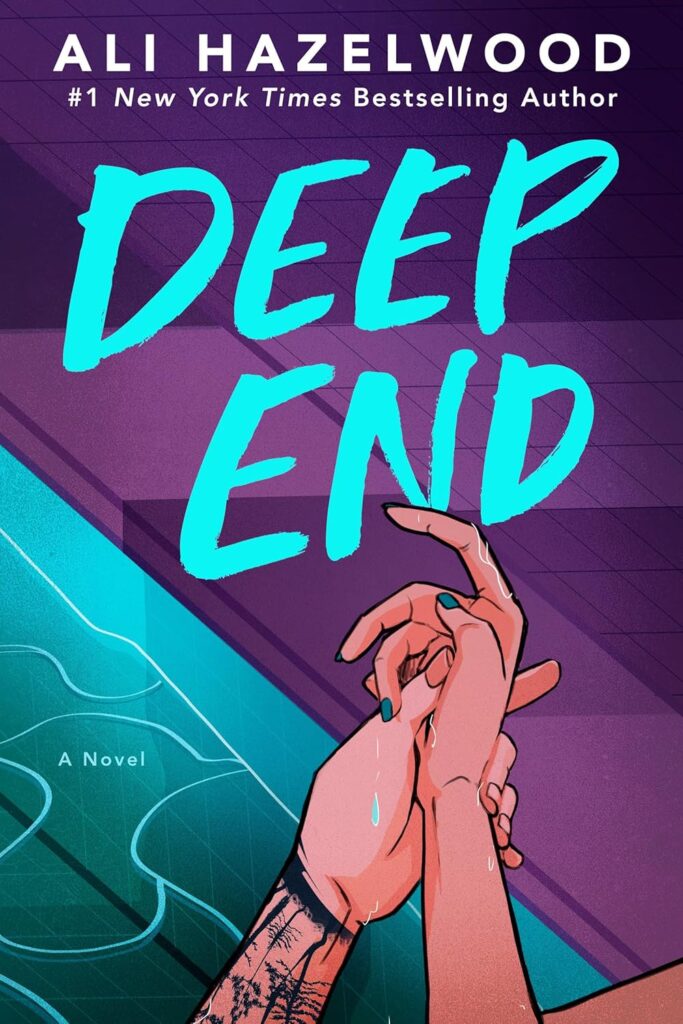
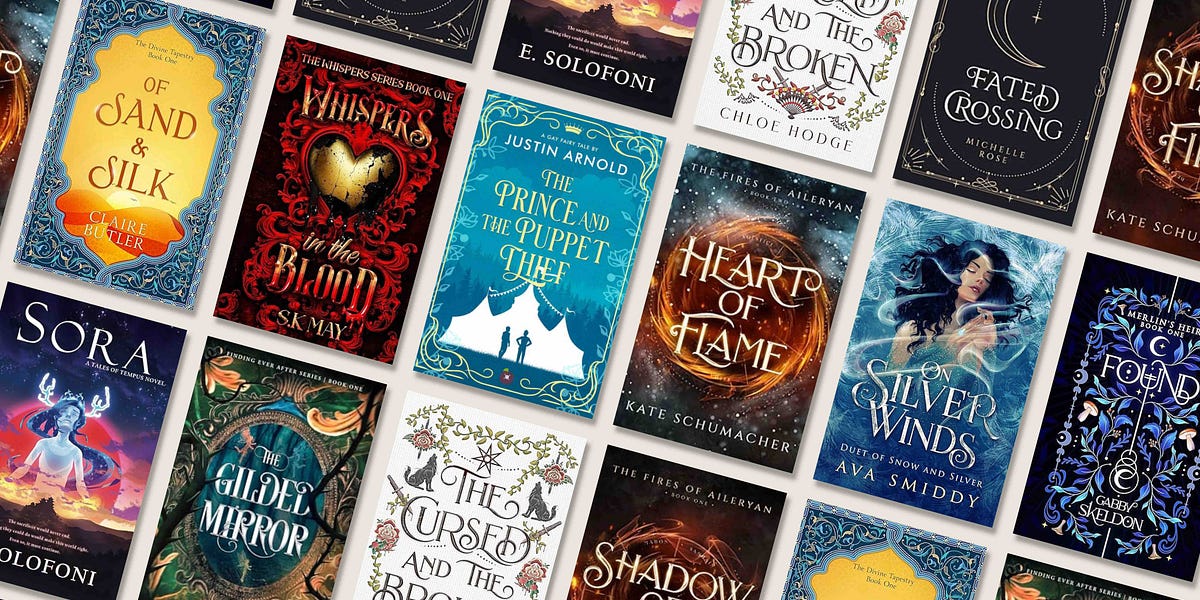
- Use pull quotes or images to break up long text. The images above (or search for better ones) can illustrate hybrid themes or book covers.
Conclusion
Genre hybrids are not a fad—they reflect a deeper shift in how readers think and feel about stories. In 2025, as boundaries between genres continue to blur, the most memorable novels will be those that surprise us by weaving unfamiliar strands into a coherent, emotionally resonant whole.
If you like, I can format this for WordPress (with headings, image placeholders, SEO metadata) and deliver a final version ready to publish on The Literary Compass. Would you like me to do that next?