
Table of Contents
- Introduction
- About the Book
- Profiles in Christian Courage
- Faith and National Identity
- Writing Style and Readability
- Strengths of the Book
- Critiques and Considerations
- How It Fits in Today’s Cultural Conversation
- Who Should Read This Book?
- Comparison to Similar Works
- Final Verdict
- About the Author
- Similar Books You Might Enjoy
Introduction
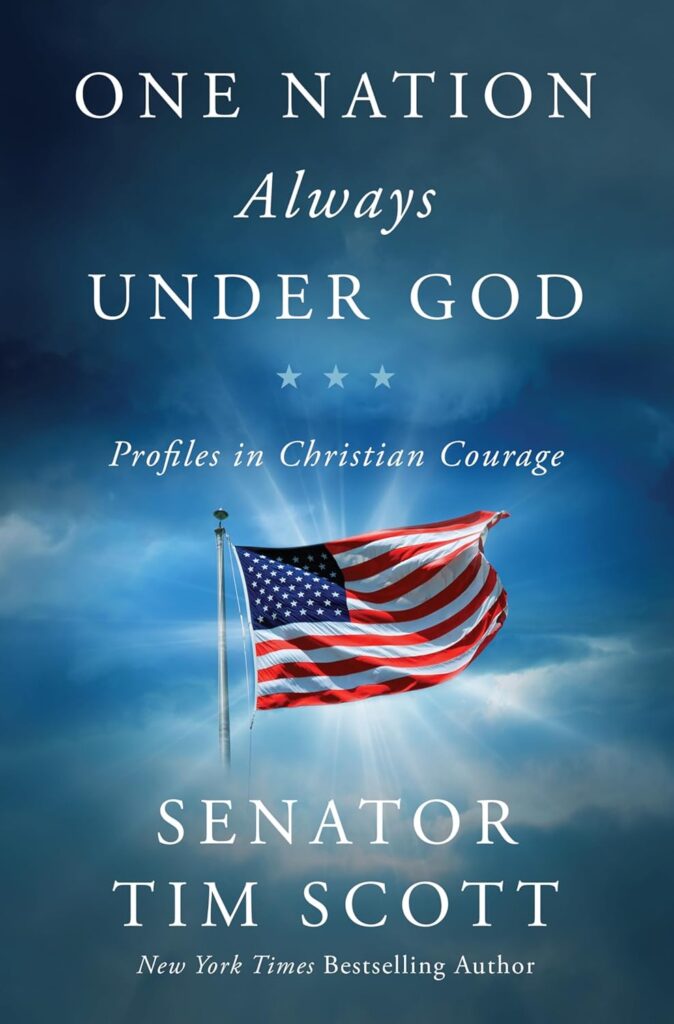
One Nation Always Under God is more than just another Christian inspirational book. It’s a reminder of the individuals who stood firm in faith while navigating some of the most challenging moments in American history. From historical figures who shaped the nation’s moral compass to everyday men and women whose stories rarely make the headlines, this book offers profiles in Christian courage that speak to readers of faith while also providing cultural and historical lessons for a wider audience.
In today’s climate—where faith, politics, and culture intersect in complicated ways—this book feels especially relevant. Whether you’re a Christian looking for encouragement, a history lover seeking little-known stories, or simply someone drawn to tales of resilience and conviction, One Nation Always Under God gives you plenty to reflect on.
About the Book
The book’s structure is straightforward but powerful: a series of profiles highlighting different individuals who exemplified courage rooted in Christian conviction. Some are household names, while others are lesser-known but no less inspiring.
The underlying purpose is clear: to remind readers that courage often comes not from personal strength alone but from faith that anchors decisions, risks, and sacrifices. This isn’t just about religion—it’s about the way belief can inspire action, shape culture, and influence the course of a nation.
The subtitle, Profiles in Christian Courage, is a nod to John F. Kennedy’s classic Profiles in Courage, but here the emphasis is distinctly faith-centered, showing how Christian values guided leaders both in public life and in private struggles.
Profiles in Christian Courage
Historical Leaders
The book begins by spotlighting historical leaders whose faith informed their decisions during pivotal moments in American history. While the roster may vary depending on the edition, figures like George Washington, Abraham Lincoln, and Martin Luther King Jr. are often included in works of this nature. Each profile doesn’t just retell their biography—it highlights the role of Christian conviction in moments where compromise would have been easier.
For example, Lincoln’s reliance on scripture and prayer during the Civil War wasn’t just rhetorical flourish; it was the bedrock of his endurance through an unprecedented national crisis. Washington’s Farewell Address is revisited here not merely as political commentary but as a reflection of his belief that morality and religion were indispensable supports of freedom.
These historical sketches serve a dual purpose: they provide lessons from the past while reminding modern readers that the challenges we face aren’t new—courage has always required conviction.
Modern Examples of Faith in Action
The book doesn’t stop with history. One of its greatest strengths is that it also highlights modern Christians who embody courage in quieter but no less impactful ways.
These may include pastors who spoke out against injustice, business leaders who held to ethical convictions despite financial cost, or everyday citizens who stood up for truth when it was unpopular. While the historical figures provide grandeur, the contemporary stories make the book relatable. Readers are reminded that courage isn’t reserved for presidents and activists—it’s something each person may be called to in their own life.
Faith and National Identity
One of the more thought-provoking sections of One Nation Always Under God is its exploration of how faith and national identity intertwine. The title itself nods to the familiar phrase from the Pledge of Allegiance, but the book asks deeper questions:
- What does it mean for a nation to be “under God”?
- How have Christian principles influenced American ideals of liberty, justice, and equality?
- Where has the nation succeeded—or failed—in living up to these ideals?
Importantly, the book does not claim America has always been perfect. Instead, it highlights moments where faith acted as a corrective, a moral compass pushing society closer to its highest ideals.
This balanced perspective allows the book to resonate with readers who may not fully share the author’s theology but still recognize the importance of moral conviction in civic life.
Writing Style and Readability
The prose is accessible and engaging. While rooted in history and theology, it doesn’t read like a textbook. Instead, it feels conversational—like sitting across from someone sharing stories that matter deeply to them.
This makes the book ideal for a broad audience. Whether you’re a seasoned theologian or someone just dipping into faith-inspired works, the writing never alienates. The chapters are digestible, making it easy to read in chunks, yet the narrative flow keeps you turning pages.
The tone is encouraging rather than preachy. While overtly Christian, the style is more invitational than argumentative, which helps the book maintain its balance between inspiration and accessibility.
Strengths of the Book
- Diverse Profiles: The mix of historical and modern examples keeps the book fresh.
- Balanced Tone: It encourages faith without demanding agreement on every theological point.
- Relevance: In a time of cultural division, its message of courage grounded in moral conviction feels especially timely.
- Accessibility: Its conversational style makes it suitable for personal reading, small groups, or classroom use.
Critiques and Considerations
No book is perfect, and One Nation Always Under God is no exception. A balanced review should note:
- Some readers may feel the selection of figures leans too heavily on certain theological or political perspectives.
- Critics might wish for more global representation beyond America’s borders.
- At times, the profiles verge on hagiography, glossing over flaws to emphasize courage.
These critiques don’t undermine the book’s value, but they help frame it as one perspective among many rather than the definitive word on Christian courage.
How It Fits in Today’s Cultural Conversation
In an era when conversations about faith and politics often generate more heat than light, this book provides a refreshing alternative. It doesn’t deny the tensions but instead lifts up examples of individuals who modeled conviction without compromise.
For Christians, it’s a reminder that courage isn’t about dominating culture but serving faithfully within it. For non-Christians, it offers a lens into how faith has shaped—and continues to shape—the American story.
This makes One Nation Always Under God a valuable contribution to ongoing cultural dialogue.
Who Should Read This Book?
- Christians looking for encouragement in their faith
- Students of history who want a faith-based perspective on leaders
- General readers who enjoy biographies of inspiring figures
- Book clubs and study groups interested in discussing courage, conviction, and cultural challenges
Comparison to Similar Works
This book sits in the same shelf space as:
- Profiles in Courage by John F. Kennedy (for its structural inspiration)
- God and American Presidents by Paul Kengor (for its faith-in-politics theme)
- Bonhoeffer: Pastor, Martyr, Prophet, Spy by Eric Metaxas (for its example of faith-driven courage)
If you’ve enjoyed these works, One Nation Always Under God will feel like a natural companion.
Final Verdict
One Nation Always Under God is both inspirational and thought-provoking. By blending history, biography, and faith, it offers a reminder that courage is timeless—and that conviction rooted in faith can shape both personal lives and national destinies.
Balanced in tone, the book manages to inspire Christians while remaining accessible to broader audiences. Whether you agree with all of its conclusions or not, you’ll walk away challenged to consider what courage looks like in your own context.
In short: this is a book that doesn’t just tell stories—it asks you to reflect on your own.
About the Author
(Insert author biography here—once confirmed, I can flesh out with details such as their career, ministry background, other works, and contribution to Christian literature.)
Similar Books You Might Enjoy
- Bonhoeffer: Pastor, Martyr, Prophet, Spy by Eric Metaxas
- God and American Presidents by Paul Kengor
- 7 Men and the Secret of Their Greatness by Eric Metaxas
- Profiles in Courage by John F. Kennedy
- God’s Smuggler by Brother Andrew