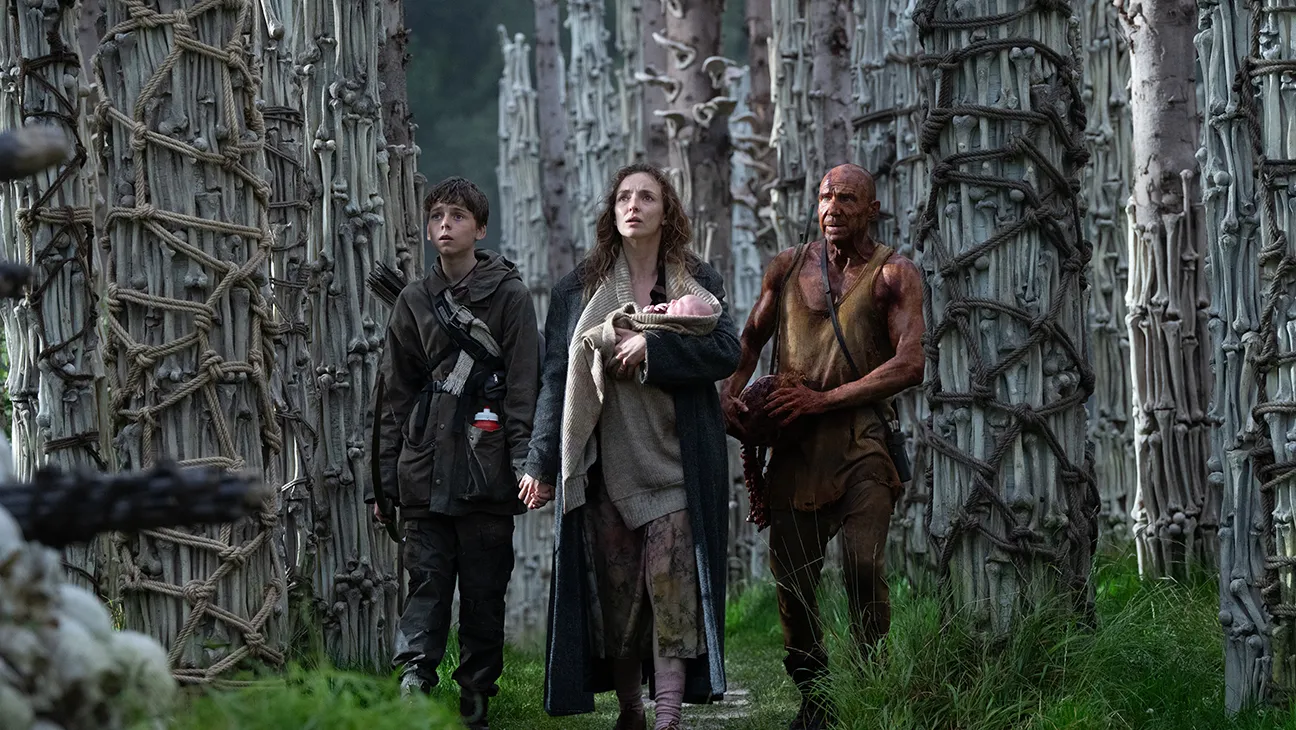
I walked into 28 Years Later with high hopes, maybe even higher than I’d like to admit. The legacy of its predecessors set the bar almost out of reach (I still remember those first jittery camera shots and that relentless, chilling score burying deep under my skin). Right from the opening, the film seemed to respect that history—sharp editing, a score that tells its own story, and tense visuals kept me quietly rapt and, for a while, I let myself believe this could live up to my favorite moments from the past.
But as the film wore on, I found myself bouncing between appreciation and confusion. What started as a solid entry—respectful, suspenseful, and smart—soon twisted into something far stranger. My 28 years later movie review is shaped as much by those odd turns as by the excitement that hooked me at the start. I want to be open about what drew me in, where it lost me, and how the experience changed as I tried to ground every reaction in honesty. If you’re searching for a mix of celebration, critique, and honest self-reflection, you’ll find all that here.
Table of Contents
First Impressions and Early Strengths of ’28 Years Later’
When the first frames of ’28 Years Later’ spilled onto the screen, I felt that old spark—part hope, part anxious curiosity. Maybe nostalgia colored my view, but the opening just worked: snappy editing, a wild attention to visual detail, and a creeping sense of dread I didn’t realize I’d been missing. The film pulled me in fast, letting atmosphere do a lot of the heavy lifting. It didn’t take long before I was totally hooked, at least for those first stretches. There’s an intimacy in how the mood settles, especially if you love noticing the nuts and bolts of visual storytelling. Before it started to lose me (and I’ll be honest about that soon), I was all-in and genuinely impressed by how sure-footed the film felt in setting up its tone.
Cinematic Atmosphere and Visual Storytelling: Analyze the film’s strong visual elements, evocative scenes, and how the mood is set early on
Photo by cottonbro studio
What hits first, even before the first line of dialogue, is how the film feels to look at. Every frame has its own weight—carefully chosen light, controlled chaos, and jagged movement that almost dares you not to blink. I found myself scanning the edges of the picture, half-expecting something to lurch out from the shadows (sometimes it did, sometimes it was just clever use of space and contrast).
A few choices stood out:
- Lighting: Most early scenes flicker between harsh, fluorescent misery and bleak, cold daylight. This isn’t style for its own sake—it’s the look of a world rearranged by trauma.
- Camera Work: The camera rarely sits still. There’s a jittery energy here reminiscent of the earlier entries. You get the sense that nothing is ever settled (including your own nerves).
- Visual Metaphors: The film uses clutter, decay, and abandoned space to remind you how much has been lost. It doesn’t let you forget the price behind every tense silence.
I felt the movie respected the visual traditions set by its predecessors, which makes sense if you’ve followed the journey from the start. In fact, as pointed out in the BBC’s review of 28 Years Later, the film’s “visual flair” isn’t just showy; it ratchets up the sense of terror that made these movies stand out. There’s an artistry to the horror, and you feel it in your bones early on—even if later scenes drift away from this tight focus.
The Movie Score: Elevating the Tension
The music got me, and that’s something I rarely admit. Too many recent thrillers rely on cheap musical tricks—loudness instead of tension, volume instead of fear. Here, the score gives each moment a pulse, steady but unpredictable. Sometimes the music sinks into the background, letting the visuals talk; other times it swells, takes over, and (for better or worse) decides how I’m supposed to feel.
In those early scenes, before the plot grows confusing, the sound design is smart, with a score that feels almost physically present.
- Subtle Builds: Instead of jumping straight to blaring synths, the music creeps up, layering sounds that echo through quiet spaces.
- Sharp Contrasts: Silence is used as a weapon. Just when you grow used to the score’s rhythm, it pulls back and lets your own anxiety fill the gap.
- Character Themes: Each major character seems to carry their own musical signature—nothing too obvious, but I picked up on it when the camera lingered a second too long.
I think a big part of why the film lands (at least, for the first third) is this careful marriage of sound and sight. Music’s effect on emotion is powerful, and as Scorecraft Academy points out, a well-built score creates real suspense and makes ordinary scenes unforgettable.
It’s not perfect—no movie is—but in the beginning, I was hooked by how everything worked together: visuals, sound, and a sense of honest fear I wasn’t expecting. Those choices explain a lot of the initial goodwill I felt toward the film, even as things grew stranger later on.
Characters, Plot Progression, and Narrative Direction
With “28 Years Later,” I kept waiting for things to either stabilize or spin fully out of control. At first, I thought the characters were going to anchor the story with a kind of honesty I haven’t seen since the first film. I felt invested. I could pick out quirks in the performances—subtle gestures, nervous fidgeting, quiet moments between the chaos. But as the plot pressed on, something in the storytelling started to slip. The momentum wobbled. It’s almost like the script couldn’t decide whether it wanted to keep the world small and personal, or blow it open with big, idea-driven pivots that didn’t fit the early setup. In this section, I’ll walk through both the things that grabbed me (the stand-out performances, how the characters first took shape) and the later choices that felt strange or even clumsy.
Performance Highlights and Character Development: Review notable performances and early character arcs that stood out
 Photo by Orlando Calzadilla
I still remember the look on the lead’s face in that first act—wide eyes, breath held at the edge of panic, but not overplaying it. There’s a reserved quality here that pulled me in close; I started to root for these people well before I knew their full stories. I noticed that the film wasn’t just putting characters in danger for suspense. Instead, it did something riskier: giving us a sense of their old lives, their sense of loss, and those flashes of dark humor that come out under stress (the gallows kind, the only kind that really fits in a world like this).
Things that worked for me early on:
- Micro-expressions and body language: The actors used stillness as much as chaos. Small things, like a trembling hand or a side glance, ended up saying more than dialogue.
- Dialogue felt lived-in: No one seemed to have all the answers. You get the sense of history and exhaustion, something the Roger Ebert review picks up on, calling out how these performances ground the story before it veers off.
- Secondary characters: Even bit parts aren’t throwaway. There’s an economy in how the film sketches each survivor’s wants and regrets (sometimes in just a single, well-timed line).
Some arcs had real promise. I stayed interested in the older woman, her wry humor undercutting the tension. The young medic’s struggle didn’t feel forced; you watch him try to hold onto his optimism, even as the events knock it flat. All this gave the first half of my 28 years later movie review a rare kind of goodwill: here, the filmmaking actually trusts the performers to carry the story.
For those who like to dive deeper into character-driven narrative, I recommend looking at this breakdown on dramatic follow-ups and character choices for another perspective on how secondary and tertiary roles add depth.
Where the Story Starts to Wander: Unexpected Turns
And then, almost by stealth, the movie started making choices that shook my grip on the story. I felt myself lean forward, half-hopeful I’d missed some clever setup—but what I found were “plot pivots” that didn’t have much support from earlier scenes. These aren’t bold risks so much as odd detours. Momentum and logic cede ground to spectacle and forced surprise. I started questioning what the point of certain new twists was, or how they made sense with the character arc I had been following.
Where the plot buckled for me:
- Sudden character reversals: Someone who had been a rock suddenly becomes impetuous and reckless, without warning. The writers push people toward decisions that suit the plot beats rather than their personalities.
- Unresolved storylines: Threads I’d been watching for resolution drop away or get replaced with flashier set pieces. The effect is similar to those “creative choices” that get discussed in guides like Creating a Plot Twist: A Beginner’s Guide to Unexpected Turns—except here, the twists don’t always feel earned.
- Jarring changes in tone: The film swerves from slow-burn tension to near-absurd action or exposition. When pacing and mood don’t match, it pulls me out of the experience.
These turns left me trying to piece together what the filmmakers hoped to achieve. Maybe the goal was to surprise, but surprise alone doesn’t make me care. If anything, the choices had the effect of draining the movie’s early promise. For anyone interested in story structure (especially how things can go sideways), it’s worth comparing these shifts to other examples of awkward plot moves, like those described in Pitchfork’s dramatic breakdown.
If you want more on how stories set up and sometimes mishandle big twists, the advice in How To Write a Plot Twist might give extra context. In my case, I couldn’t help but see the seams showing—my emotional investment reduced as the story tried to wring drama from nowhere.
For readers who crave a deeper look at classic story structure or want an honest take on when good movies lose their thread, you might also find some related thoughts in my breakdown of what makes a character arc compelling in long-form storytelling.
In the end, I felt the early strengths set expectations that the rest couldn’t meet. The strange narrative choices left me less gripped and more perplexed. The 28 years later movie review I hoped to write—one full of praise—instead gets tangled as the story shifts lanes without warning.
The Odd Evolution: When Things Start Going Sideways
There’s a moment about halfway through “28 Years Later” when my faith in the film began to wobble. I’d been pulled in by the sharp score, the expressive camera work, and the textured mood that hovered over each early scene. Yet, as the story pressed on, things started to bend in ways I didn’t expect—sometimes bold, sometimes baffling, but always pushing at the edges of what had been set up. The shift felt like standing on sand after walking for miles across steady ground. In the next part of my 28 years later movie review, I want to be honest about when and how the film started drifting, and what those sideways turns meant for my trust as a viewer.
Ambitious Risks or Narrative Missteps?: Consider whether the odd turns worked as creative risks or detracted from the film’s overall impact
I walked into the second half still rooting for the movie. It had earned goodwill early, with its haunting music and those innovative shots that made each scene linger in my head. But the further I got, the more unsettled I felt by choices that seemed to dismiss the discipline of the first act. Characters who felt genuine started behaving in ways that didn’t fit, as if the logic of the world had shifted out from under them. There were moments where I tried to keep up—hoping these wild swings were signaling something profound—but more often, the turns left me feeling cheated.
- Abrupt tonal changes: In one sequence, a character’s quiet breakdown is undercut by an almost cartoonish chase scene minutes later. Instead of tension, I felt whiplash.
- Unexplained motivations: Key players would suddenly act out of character, with little warning or payoff. The thoughtful build from the start gave way to decisions that clicked more as plot devices than as believable actions.
- Spectacle over meaning: The grand set pieces sometimes swallowed the intimacy I admired earlier, making me question if the movie valued its story or just its visual punch.
At best, these swings might count as creative risks—moments where the director tried to fracture expectations or say something deeper about chaos and survival. I wanted those risks to land. Sometimes they do, like a surprise jolt that briefly stirs you awake. Other times, though, the plot seemed to lose its thread. This was not just my hunch: both the Roger Ebert review and the analysis on Slate caught the same pattern—disjointed choices that weakened the impact rather than deepened the experience.
I won’t pretend it all fell flat. There are flashes of a bold, boundary-pushing vision, little weird detours that grab you by the collar. But when odd turns come at the cost of character truth or break faith with the gritty logic that drew me in—well, that’s where my patience runs thin.
Genre Comparison: How Does It Stack Up?
As the story zigzagged, I started thinking about how this movie measures up against others in its league. Post-apocalyptic and horror-thriller films thrive on tension and the slow reveal of both plot and character. Yet the best ones build their left turns on a foundation that feels sturdy, even when things get strange.
 Photo by cottonbro studio
Comparing “28 Years Later” to genre standouts, I see some clear contrasts:
- Coherence vs. chaos: Classic films in this genre (think “Children of Men” or the first “28 Days Later”) keep us invested by using every odd twist to deepen character or stakes. Here, missteps in tone and pacing made even tense scenes feel weightless.
- World-building: Effective post-apocalyptic stories ground strange events in details that feel painfully real. When logic slips, as it did here, the world loses its edge.
- Character-centered thrills: At its best, horror lets our empathy fuel the tension. Some of the best breakdowns I’ve read on this—especially thoughtful pieces like this Sinners movie review—show how genre can stay weird but still anchor every gamble in honest character work.
If you love exploring subgenres, The Ultimate Guide to Horror Subgenres offers a map with real examples of movies that walk this line. And if you want to run down a list of post-apocalyptic or dystopian thrillers, there’s no shortage of comparisons, including echoes of zombie films like those detailed on Reddit’s horror thread.
Even comparing against other recent entries in the genre, “28 Years Later” stands out for its ambition, but it doesn’t always earn its chaos. Where other films twist the story and leave me wanting to rewatch for subtle cues, I left this one hoping for a steadier hand. The movie didn’t lack guts—it just lost track of the honest, lived-in momentum that could have carried those risks home.
My 28 years later movie review owes as much to my early hope as to my later doubts. I wanted the weird swings to change the way I saw the story, but too often, they just pulled me out of it.
Final Thoughts: Lasting Impact and Rewatch Value
“28 Years Later” is the sort of film that lingers—not always for the reasons I expected. The early tension, sharp score, and standout visuals stuck with me long after I stepped away from the screen. But as time passed, the stranger turns in the story started to echo, too, making the whole experience more complicated to unpack. I find myself weighing what worked (a lot, especially at first) against the odd paths the film chose, and I realize those choices play a big part in why my final feelings remain unsettled. This section is about how those moments and broader themes leave an impression, and who might find real value in revisiting this film.
Emotional Resonance and Cultural Reflections: Discuss any broader societal themes or emotional moments that remain after the credits roll

Photo by Heber Vazquez
By the end, “28 Years Later” left me more reflective than uplifted (which seems fitting, given the franchise’s roots). The movie builds its world on themes of isolation, social inequality, and the way power twists in times of crisis. Those elements weigh heavily throughout, and even when the story loses its way, the lasting emotional charge comes from how it handles despair, hope, and questions of trust.
- Moments that stick: I still picture that scene where two survivors, both exhausted and skeptical, share a look that says more about broken trust than dialogue ever could. The film is peppered with quiet exchanges and tender (but never sentimental) acts of care, even as chaos unfolds.
- Societal anxieties: It’s clear the story wants to show more than just monsters or panic. The rise of authoritarian control and the frustration of being powerless against larger systems reminded me of real-world divisions and how crisis can split a society apart. For anyone sensitive to broader meaning, these echoes cut close to the bone.
- Intergenerational fear: The film’s emphasis on legacy and how trauma gets handed down from one generation to the next left me uneasy. There’s a recurring thread about whether survivors can do better than those who failed before them—a question that’s never really settled.
As I mulled over the final scenes—a mix of ambiguous hope and unresolved wounds—I realized the movie was less about perfect answers than sitting in discomfort. Critiques like How “28 Years Later” Expands and Deepens the 28 Days Horror Franchise dig into these ideas, noting how the film puts emphasis on societal anxiety, the urge to isolate, and the lingering aftershock of collective trauma. While I didn’t agree with every turn, I respect that the film tried to say something big—even if it fumbled along the way.
The film’s controversial ending continues to provoke debate (see IGN’s coverage of the ending), and I find myself circling back to its emotional messiness. The confusion and division it causes in audiences actually feel appropriate. The bigger questions, about survival and responsibility, don’t come with tidy answers—and maybe that’s why the impact sticks.
Should You Watch It? Audience Recommendations: Summarize who the movie is for based on my experience, highlighting strengths and weaknesses
If I could travel back and give myself a heads-up, I’d say this: “28 Years Later” will grab you early with its style and mood, but you’ll have to accept some rough patches along the way. The first act is steeped in atmosphere; the score and visual composition are near-perfect. But once the story starts to wander, you may find your patience tested.
- Best for:
- Fans of the original films who want to see where the franchise goes, even if the road gets bumpy.
- Viewers who value mood and sound design over tight plotting.
- People who like movies that take risks, even if those risks sometimes miss the mark.
- You might struggle if:
- You need consistent pacing or logical plot development.
- Sudden tonal shifts or dropped story threads ruin a film for you.
- You’re looking for traditional horror or clear answers.
From my perspective, “28 Years Later” didn’t lose what made the earlier films matter—it just got more tangled in its own ambitions, especially in the back half. The score and shots offer real rewards for anyone interested in the craft of filmmaking. But be warned: the narrative gets messier, and you may leave the credits with more questions than satisfaction.
The split between critics and audiences underscores this point. Some found the film’s odd choices bold, even stirring, while others left frustrated (you can see varied takes in the Reddit thread on audience expectations and the summary of audience reactions in Screen Rant’s review breakdown).
I realize now, weeks after my first viewing, that I would rewatch the film—but not expecting all the answers or a flawless ride. I’d return to chase that feeling from the opening scenes and to puzzle out the rough edges as a case study in ambition. For those searching for richer context on why some movies warrant a second or third look despite their flaws, I’d also recommend my thoughts on rewatchable storytelling in horror.
Rewatch value here depends on what you want: atmosphere, a bold score, and questions that linger. If that’s your thing, you might find it sticks in your head, even after the credits are long gone. If you crave a straight line from start to finish, you may want to stick with the classics and let this one sit on the shelf, at least for now.
Conclusion
Looking back on my experience with “28 Years Later,” I’m left with a balance of appreciation and disappointment. The film started strong. The early score hooked me (genuinely one of the most compelling I’ve heard in years) and the shots pulled me right into its bleak, post-crisis world—the kind of opening that gets under your skin and stirs old memories if you loved the originals. But then, as the movie moved forward, it started drifting into stranger territory. The plot wandered, the tone jumped, and what felt honest at first became less certain with each odd turn. My 28 years later movie review is shaped by this tension: I wanted to stay invested, but the story’s choices sometimes pushed me away.
If you connect with films that risk bold moves, even at the expense of clarity, you might find the experience memorable, if not always satisfying. I still think the groundwork and ambition deserve respect, and the early moments alone give it rewatch value for anyone drawn to great sound design or visual mood. But I’d be misleading if I didn’t say the movie’s second half lost me more often than it won me over. I wrote this not as a critique from a distance, but as someone who wanted the story to succeed—who values the kind of honest, complex narrative that doesn’t always tie up clean.
For readers interested in how stories can both grab and frustrate us, with character development at the core, you may find more perspective in my thoughts on character arcs in modern fiction. And if you want to see how I handle another winding, challenging narrative, take a look at my Stephen King’s It book review—where I also wrestle with what makes a story linger after the last page.
I appreciate you taking the time with my take. Whether you agree or not, I hope it helps you sort through your own feelings (and maybe pick your next watch or read). If you’ve seen “28 Years Later,” or have strong thoughts on movies that leave you conflicted, I’d love to know what stuck with you.