

By the time I finished Atmosphere by Taylor Jenkins Reid, I found myself haunted in a way I didn’t expect. Set against the backdrop of the 1980s NASA Space Shuttle program, the novel drags you right into the heart of an era often romanticized but rarely examined from such an intimate lens. The story’s emotional honesty, grounded in both history and raw personal struggle, quickly jars any notion that love or identity can exist apart from the world’s weight.
What struck me most: this isn’t just another love story or a nostalgia piece. Atmosphere brings the personal into orbit with sweeping themes of longing, ambition, and the messy lines between who we want to be and who we’re allowed to become (especially when those dreams rise in the shadow of America’s push for the stars). As a GMA Book Club pick, its acclaim is hard to ignore, but it’s the book’s refusal to sidestep real social barriers that gives it staying power.
In the sections ahead, I’ll lay out not just what makes this novel tick, but why its take on heartbreak and perseverance feels honest in a way most books never risk. I’ll also touch on how Taylor Jenkins Reid’s research adds depth—without sacrificing authenticity or pushing drama for the sake of it. If you want wider context on Reid’s fiction (and how Atmosphere stacks up next to other summer standouts), Best summer books 2024 is a solid place to browse next.
Table of Contents
Setting the Stage: NASA and the 1980s Space Shuttle Era
The backdrop of “atmosphere by taylor jenkins reid” lands us right in the middle of the Space Shuttle era, a time defined by both wild ambition and heartbreak. I can’t overstate how much the decade shaped the novel’s characters and their choices. For readers like me who grew up seeing rocket launches on old TVs, there’s a real nostalgia in the details—slang, jumpsuits, news bulletins. But what lingers most is the uneasy push and pull between public celebration and personal cost. The 1980s were NASA’s gamble, with shuttles promising routine access to space and Americans crowding around screens to watch. Yet, there was also risk, limitation, and a cultural script about who could reach for the stars in the first place.
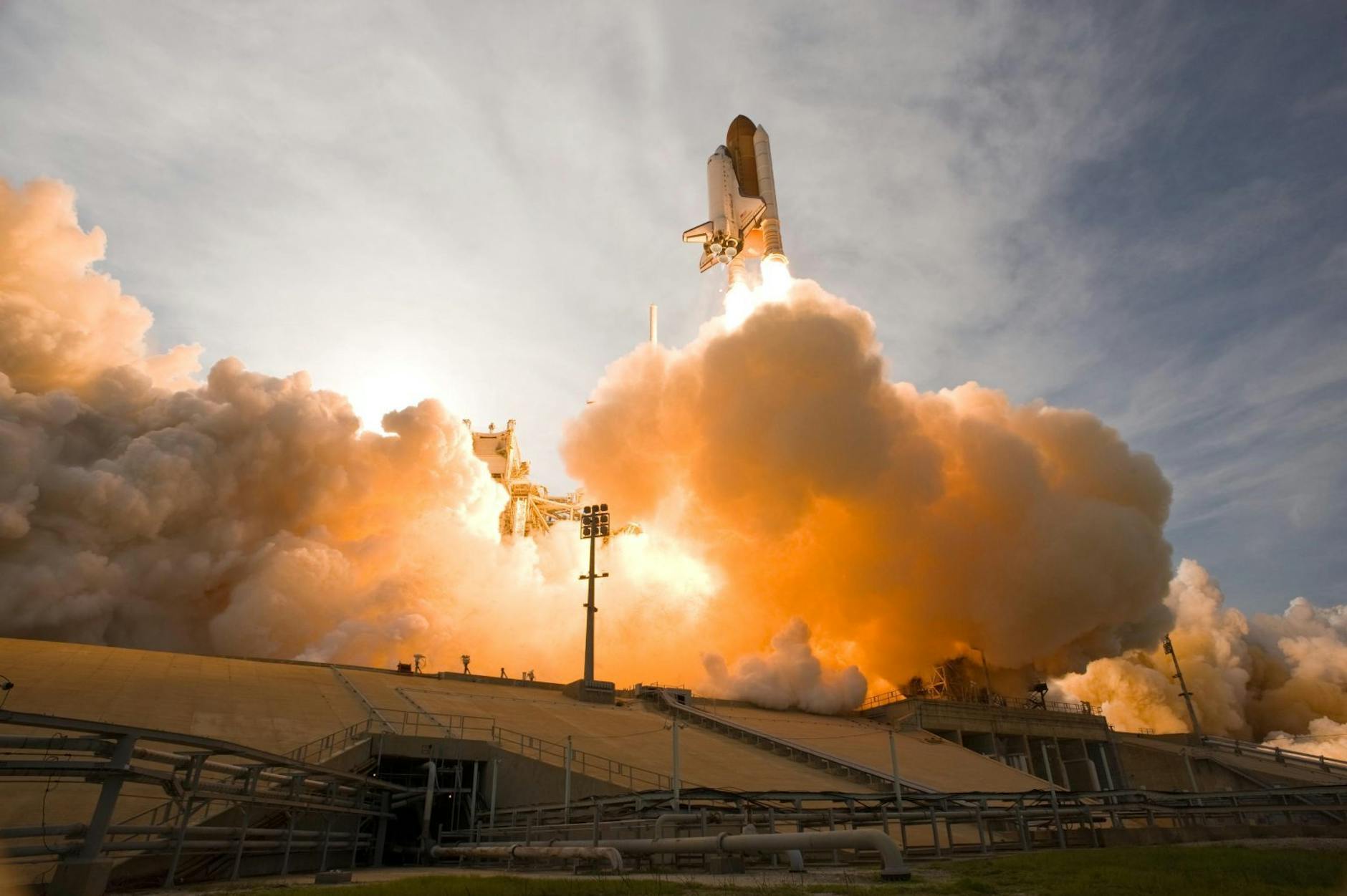 Photo by Pixabay
The truth is, the boundaries of the possible weren’t set by physics alone. Gender, sexuality, and all the subtle (and loud) ways bias showed up in selection boards or press rooms shaped every mission. That’s the world “atmosphere by taylor jenkins reid” slices into, with all its stubborn hope and ugly realities.
Real-World NASA Influences on the Story
When you read the novel, you can feel the research in every scene. Taylor Jenkins Reid isn’t just playing with set dressing—she nails the specifics that defined NASA’s shuttle period. There are moments, for example, where technical language is used so casually, it rings true to how real astronauts talk about the dangers and pressures on missions. This rings especially honest if you know about Sally Ride, who became the first American woman in space in 1983. Her training, her performance under pressure, and even her media treatment echo through the book’s characters.
But the influence is more than just historical trivia. In the 1980s, NASA was a machine for mythmaking, and the shuttle era was built on the idea that “ordinary Americans” could be astronauts. It was partially true, but carefully curated. The public saw highlights—launches, ticker-tape parades, the giant leaps. Behind the scenes, there was quiet work, isolation, and sometimes, open hostility. When the book’s characters wrestle with their mental health or sense of belonging, you see the real cost of flying in that glass fishbowl. Reid doesn’t romanticize the exhaustion. Instead, she shows how personal aims often get subsumed by the agency’s demands—and how new astronauts, especially those who differed from the status quo, had to be almost flawless to get half the credit.
If you want to see how these influences play out in detail, Atmosphere by Taylor Jenkins Reid book review breaks down the emotional realism Reid brings to the NASA setting, connecting those technical and cultural realities back to every relationship in the book.
Barriers Faced by Women and LGBTQ+ Astronauts
Women at NASA in the 1980s were expected to prove themselves in ways their male counterparts never had to. When Sally Ride flew her first mission, the press asked if she cried on the job, or whether her reproductive system could handle space. It would be easy to laugh it off as a footnote, but these attitudes shaped how many women experienced not just the missions, but the day-to-day work. Astronauts like Ride broke ceilings, but also paid a price—sometimes isolation, sometimes intense scrutiny, sometimes outright discrimination. In “atmosphere by taylor jenkins reid”, these barriers aren’t theoretical. Characters face them in every interview, classroom, and training exercise, with small offenses stacking up into a daily grind.
The challenges for LGBTQ+ astronauts ran even deeper. Living openly risked careers. Sally Ride herself only had her long-term relationship with another woman acknowledged in her obituary, a truth that many in her time knew but felt unsafe to claim in public. The idea of “don’t ask, don’t tell” didn’t exist officially at NASA yet, but it shaped every closet in Houston. See astronaut Sally Ride’s boundary-breaking life in photos for a powerful look at how queer astronauts balanced identity and ambition under those spotlights.
It’s easy to see why stories from this era, both real and fictional, matter. They remind us that representation is never just cosmetic. Barriers are built into institutions, sometimes hidden under traditions and rules. If you’re tracking how love and identity figure into NASA’s real story—not just its public myth—Biography: Sally Ride adds vital context for understanding the history “atmosphere by taylor jenkins reid” draws from. The result? A setting that isn’t just scenery, but a pressure cooker—one where every small victory feels hard-won.
Plot Overview and Narrative Structure of ‘Atmosphere’ by Taylor Jenkins Reid
The storytelling in “atmosphere by taylor jenkins reid” is as ambitious as the era it inhabits. Reid leans into memory and aftermath, threading layers of scientific realism with a private knot of heartbreak, identity, and ambition. Each page pulls you—sometimes abruptly—from the clang of Houston’s Mission Control to the aching quiet of personal moments lost between missions. Even if you know nothing about spaceflight, you can feel how tightly the technical and the personal are bound in this novel. The book stands out for not just what happens, but how that story is told.
Dual Timelines and Layered Storytelling
“Atmosphere” unspools its story on two tracks. The first runs in the 1980s, right in the shadow of the Space Shuttle launches, following a select group of astronauts as they train and orbit both Earth and their own private doubts. The second timeline brings us to the present, showing the ripple effects long after the missions have ended—revealing how past secrets burn into families, careers, and self-understanding.
Reid does not use flashbacks as an afterthought. Instead, the structure feels like a radio conversation, signal flickering back and forth between past and present. There are echoes and distortions. A success on the launchpad is interrupted by a private confession years later, and what seemed triumphant at NASA’s Cape in 1984 reappears as a scar in the present-day scenes. For every mission debrief, there is an equally honest reckoning with memory, grief, and the choices the characters never expected to carry for so long.
- Key narrative features:
- Chapters often close with unfinished thoughts, inviting the reader to fill in the silence between eras.
- Family stories and found-family dynamics build slowly, revealing what ambition costs over a lifetime.
- The book resists easy answers, letting timelines tangle in a way that mirrors real memory—messy, abrupt, unresolved.
In my view, this scaffolding gives “atmosphere by taylor jenkins reid” its distinct honesty. It’s not just a story you read start to finish, it’s one you piece together as you weigh what the characters could have said, or done, if they hadn’t felt the pressure of the cameras, the institution, or each other. For a deeper dive into how reviewers are responding to this approach, the summary and analysis by SoBrief unpacks how the novel’s timelines intersect and why the structure keeps readers hooked.
Scientific and Emotional Stakes
Few contemporary novels balance technical realism and emotional depth like “atmosphere by taylor jenkins reid”. Reid captures the grit of astronaut training: the endless simulations, the suffocating pressure of public scrutiny, the constant geography of risk. It’s clear she understands (and cares about) the hard limits of spaceflight—the sort of stuff you find in old NASA transcripts and oral histories. The novel gives time to the minutiae: stressful shuttle checks, checklist rituals, even banter about orbital mechanics. Every jump in the timeline is anchored by a clear sense of what’s actually at stake when a mission goes wrong.
But the science never drowns out the characters’ reality. The story’s emotional stakes run just as high as the physical ones. Missing a flight isn’t just disappointing—it’s a moral wound. Failure, in this world, means jeopardizing your friends’ safety, or getting a loved one left behind by the machine of history. These astronauts and their families carry secrets, hold tight to old griefs, and question if their sacrifices count for much compared to what they lose at home.
- What’s at stake:
- Survival—not just aboard the shuttle, but in public, in love, in private.
- Integrity—making personal choices even as the institution demands perfection.
- Memory—deciding who gets to tell the story of a mission, and what’s left unsaid.
This tension gives the story its pulse. If you’re interested in how other critics have described this push and pull, BookPage’s review of Atmosphere details how Reid mixes life-or-death tension with nuanced emotional fallout.
The technical demands of shuttle flight make every personal risk sharp, every confession a kind of hazard. At the same time, the science grounds the soaring parts of the narrative. If you want to explore more books that balance high stakes with personal cost, you’ll find similar themes on the Best Gonzo Journalism Books list, where fact and messy feeling collide in unexpected ways.
Themes and Symbols: Love, Loss, and Exploration
Space novels tend to thrive on spectacle, but what has always drawn me to “atmosphere by taylor jenkins reid” is how each theme works quietly beneath the surface. On its face, the novel is about astronauts and shuttle launches, yet underneath, Reid weaves together the pain of love lost, the intensity of ambition, and the constant search for self. The story doesn’t flinch from grief or the cost of belonging; it leans into those aches and lets readers sit with them. I keep coming back to how ordinary emotions—love, regret, loneliness—are thrown into sharp relief by the strangeness of space. The technical detail isn’t just backdrop. It’s a magnifying glass: every risk, every decision, every moment away from Earth amplifies what the characters feel. Through these layered symbols, Reid connects the cosmic to the personal, inviting us to examine how we cope when the stakes feel impossibly high.
Space as a Metaphor for Life’s Challenges
When I think of space in this novel, I don’t just picture star fields or silent orbits. I feel a pressing sense of isolation and risk. The vacuum isn’t just physical—it mirrors the hurdles characters face in their daily lives. For every shuttle launch, there’s an emotional launching pad: a new relationship, a wound yet to heal, a part of the self held back. Reid uses space as the ultimate metaphor for struggle. The obstacles aren’t only oxygen shortages or engine malfunctions, but insecurities, suppressed secrets, and the constant need to prove yourself (to NASA, to the press, to family, and worst of all, to yourself).
- Isolation and Distance: Long missions heighten the losses that characters carry. Earth, far below, becomes a symbol of everything left behind: lovers, parents, former selves. Astronauts face actual risk, but the real danger is silence. What if you return and nothing feels like home?
- Risk and Sacrifice: Each EVA (extravehicular activity) is less about technical achievement and more about personal bravery. Standing on the edge of the unknown, both physically and emotionally, is a recurring image.
- Ambition’s Price: Space travel in the 1980s wasn’t only about national pride, but the cost of public mistakes and private shame. Reid paints ambition not as pure drive but as something thorny, shadowed by disappointment.
In literature, writers often stretch the boundaries of setting to stand for internal turmoil. The use of space here brings to mind analysis from the Oxford Research Encyclopedia of Literature, which discusses how spatial metaphors define both material and psychological struggle. “Atmosphere by taylor jenkins reid” feels like an expansion of that same thinking—external geography as internal battle.
Exploring Identity and Belonging
Loss haunts every major character. Sometimes it takes the clear shape of death—missions gone wrong, family left at home—but more often it’s subtler: careers faded, relationships cracked by pressure, identities hidden for safety. What stays with me is Reid’s honesty in showing how love and identity are negotiated within tight, often unsparing social boundaries.
- Queer Love and Hidden Truths: The romance at the center of the story—a queer relationship under the old NASA regime—lets the novel explore the danger and necessity of keeping secrets. Silence is a survival tactic but also a source of grief. The fact that some astronauts hid their real selves for years is threaded through every conversation, both in private and under the public gaze. You can see more about how this shapes the book’s nuance in this insightful analysis of the novel’s themes.
- The Longing for Home: Space becomes the ultimate metaphor for being unmoored. Characters crave connection—whether to a partner, a lost parent, or a version of themselves no longer reachable. The longing is palpable.
- Chasing Recognition: Every character is fighting not just gravity but the desire to be seen and valued for who they are. This search for acknowledgment (sometimes simply to be allowed to exist openly) is a quiet but constant presence.
 Photo by Noemí Jiménez
On the page, these themes become touchstones for anyone questioning their place. As the story shifts from shuttles to families and back again, Reid refuses to separate the technical feat from the private longing. Love is not an escape hatch, but something that must survive inside the machine—flawed, unfinished, and unguarded. For more on how writers use body and space as dual metaphors for growth and challenge, this article on literary exploration adds valuable perspective.
“Atmosphere by taylor jenkins reid” isn’t just about reaching the stars; it’s about the messy gravity of coming home to oneself, even when returning seems impossible. The science, the heartbreak, the quiet triumphs and losses—they’re all tied together. This is why the symbols hit so hard: because beneath the shuttle tiles and mission logs, there’s a universal story of holding on, letting go, and daring to reach for more. For readers seeking deeper engagement with stories about self-discovery and resilience, I always suggest looking through the Best Literary Fiction collection, which highlights powerful, identity-driven storytelling.
Characterization and Representation in ‘Atmosphere’
“Atmosphere by Taylor Jenkins Reid” has always stood apart for me because of its raw, layered portrayal of characters who rarely take the easy way out. This novel finds its edge not in spectacle, but in the everyday details of what it means to put on a NASA flight suit when most doors were never meant to open for you. The honesty in these portrayals—how ambition, identity, and small moments of resistance reveal themselves in high-stakes settings—feels both timely and overdue.
I keep thinking about how Reid builds her characters from the inside out. She doesn’t reduce them to tokens or one-note heroes. Instead, they’re allowed the fullness of contradiction. They fight, falter, succeed, hide, and sometimes break rules that only exist to keep them quiet. The result is a cast that reflects the real tensions women and queer figures face, especially in fields where the odds have always seemed stacked.
 Photo by T Leish
Breaking Stereotypes in STEM and Space
What remains clear as I reflect on “atmosphere by taylor jenkins reid” is the way it disrupts the usual stereotypes about who belongs in science. There’s no romanticizing the badge; getting to space is never a given for women, especially queer women. I see shades of real-world history in every chapter: technical brilliance matched by the constant threat of being overlooked, silenced, or punished for not fitting a bland, safe mold.
Characters like Reid’s lead astronaut (and those orbiting her story) share more than NASA training. They carry the weight of expectation, but also the sharp edge of knowing you are being watched for the smallest sign of error. Instead of shrinking, these women and LGBTQ+ figures grow sharper, more complex with each setback. Their science is detailed and unflinching, their ambitions clear, but the personal costs—closeted partnerships, decisions to hide or to risk everything—make their struggles honest.
- Humanizing women in STEM: I could see myself, and so many friends, in the way Reid refuses stereotypes. She lets her characters embrace frustration and failure. They’re not “the exception,” but real people fighting to be judged by their skills, not their gender or whom they love.
- Challenging the silent background roles: The narrative gives full voice to those marginalized by the system, showing not only their technical expertise but their humor, messiness, and radical honesty. It reminds me that every astronaut bio we read is just the tip of the iceberg.
- Reflecting industry shifts: Reid’s choices mirror a larger sea change in publishing, where stories like this are no longer rare. The push for authentic representation isn’t just about fairness—it deepens the story, creates tension, and offers moments of soft hope in between technical grit.
For readers interested in how books can challenge narrow views, “Atmosphere” stands out as a touchpoint alongside other significant works in representation, like the ones listed in the Best summer books 2024 roundup. These books, too, are carrying the conversation forward in a meaningful, responsible way.
If you’re curious about similar efforts in confronting stereotypes and making space for complex women in technical fields, the Now It All Makes Sense book review examines how gender bias has shaped even subtle aspects of science and identity. There’s a definite parallel in how both works peel back the cultural pressure to fit in while still striving to excel.
Emotional Resonance and Relatable Protagonists
I can’t shake the sense that the heart of “atmosphere by taylor jenkins reid” beats strongest in its quietest moments. Beyond the challenge of breaking into closed rooms or surviving a launch, these characters bleed with wants and private doubts. They crave love and acceptance. They fear the costs of being seen—sometimes more than the physical dangers of space itself.
Reid doesn’t flinch from hard truths. The protagonists are not just resilient, they’re vulnerable. They hide injuries, both physical and emotional, because the system does not make room for softness. As I read, I felt a familiar ache—the kind I get when I see someone try, fail, dust themselves off, and then risk connection anyway.
- Layered internal worlds: Each character’s internal voice is shaped by lived experience—years spent doubting, questioning, refusing to give up. Their emotional landscapes are as brutal and beautiful as the cosmos they want to explore.
- Conflict as truth: Relationships between crew members are charged, but never forced. Arguments over mission safety mirror the debates over what can be risked on the ground (a career, a relationship, your own truth).
- Relatability through imperfection: By letting her leads be wrong, selfish, loving, or scared, Reid reminds us there’s no single way to be brave. The honesty in these moments lets readers see themselves reflected, even if they have never touched a launchpad.
This is the kind of representation that doesn’t just tick a box—it feels earned. The struggle is real, and the rare victories taste even sharper because we see the price paid for each one. If you’re interested in further exploring the nuances of character depth and emotional complexity, there are plenty of thoughtful reviews—like the Middletide book review—that break down how honest, flawed characters create the kind of empathy that lingers with you long after the book ends.
In sum, “atmosphere by taylor jenkins reid” builds its cast with care, giving every moment—technical, personal, or loving—the weight it deserves. This depth of characterization is what makes the novel honest, urgent, and, above all, unforgettable.
Impact, Reception, and Lasting Relevance of ‘Atmosphere’ by Taylor Jenkins Reid
The first time I set “atmosphere by taylor jenkins reid” down, I felt a ripple of recognition. This wasn’t just a book about astronauts or romance or technical achievement, but one that asked real questions about who gets to be in the room when history is made—and who pays for that privilege, sometimes quietly and alone. Now, with the novel’s growing shelf life, I see how readers, critics, and the broader literary circles are still talking about where, and why, it fits in our cultural conversation. What sticks out most isn’t just the critical buzz or the fact that it’s a bestseller, but how it sits at a crossroads: literature, STEM, and the messy fight for honest representation. Let’s get into what that all actually looks like.
Critical and Popular Reception
From release, “atmosphere by taylor jenkins reid” was met with something like a collective sigh—equal parts relief (finally, a story this honest) and admiration. Kirkus, never an easy crowd, praised the novel’s balance of tension across timelines, writing that Reid “keeps the tension high” as the story moves between a historic NASA disaster and Joan’s personal journey through the space program. Their review, which you can read in full at Kirkus Reviews, highlights the book’s refusal to smooth out the rough edges of ambition, loss, or the institutional challenges that come at a personal cost.
The popular response has been even louder—and, honestly, more heartfelt. Readers linger on the emotional precision. Many reviews acknowledge the rawness of the love story and its refusal to hand out easy victories or tidy endings. The Everygirl called it “her most devastating book yet” and spoke for a lot of us when they wrote about loving every second of that experience (Review: ‘Atmosphere’ by Taylor Jenkins Reid). As the book circulates across book clubs, social feeds, and summer reading lists, the consensus is clear: people are seeing themselves reflected, often for the first time, in a story about space that gives as much weight to private pain as public glory.
Its bestseller status isn’t just about hype or a marketing push. It’s a sign that readers across backgrounds—not just those with NASA nostalgia—are hungry for stories that prize both scientific reality and emotional truth. Even the interview segment Reid did with The New York Times points to this larger shift in taste, as she talks candidly about the research and personal reflection that drove the book (Taylor Jenkins Reid on ‘Atmosphere’ and Her Favorite Books). The lasting power comes, I think, from that sense of duty: the book is honest about the cost of ambition, the gaps in whose stories get told, and the price of silence.
I also see echoes of this book’s impact across genre conversations. For folks seeking out more genre-straddling, truth-heavy reads, I strongly suggest looking at the top gonzo journalism books list. That’s where you’ll find works tackling big systems, big hearts, and tough questions—with the same blend of technical rigor and human transparency that defines Reid’s novel.
Lasting Influence on Literary and STEM Communities
What makes “atmosphere by taylor jenkins reid” linger isn’t just its story or style, but how it has seeped into both literary circles and the wider conversation about diversity and ethics in space and science.
Literary critics have marked out the novel as a new standard for what historical fiction can achieve—rooted in technical credibility but never sacrificing personal story. I’ve seen it cited alongside Toni Morrison and Octavia Butler as a work that doesn’t blink at institutional power, yet still finds the smaller truths of love and loss. In writing classes, people talk about how it’s possible to approach tough subjects with both grace and honesty, and how dual timelines can be more than a gimmick—they can mirror the fractured, looping way trauma and memory work in real life. For writers and readers alike, the book has become a touchstone for what it means to write about science with moral clarity.
But its longer shadow has fallen across STEM and space conversation in a way I did not expect. It’s now being used in college courses—not just literature, but ethics in STEM and space policy seminars—to spark debate about representation, power, and the cost of invisibility. The novel has even trickled into public talks and advocacy groups focused on increasing opportunities for women and LGBTQ+ folks in technical fields. I’ve noticed how social media arguments about ethical boundaries in exploration (who gets credit, who shoulders the risks, who is silenced) now pull in Reid’s novel as evidence or inspiration. The conversation is shifting because the novel refuses to let readers ignore the quiet tolls: the years spent hiding, the emotional costs, the slow corrosion of potential when institutions don’t make room for difference.
 Photo by Huebert World
For anyone interested in how these themes play out across contemporary fiction, I’d nudge you toward the best literary fiction books guide, which spotlights books making the same honest attempt to show work, love, and loss in the light of bigger systems.
Finally, the lasting relevance comes from how “atmosphere by taylor jenkins reid” refuses to let the conversation close, either in literature or STEM. It’s there when we talk about who gets to be an astronaut. It’s there when we argue for more transparency around consent, equity, and pride in scientific progress. We aren’t finished wrestling with these questions—and neither is Reid. That’s why the story remains as sharp as ever.
Conclusion
Atmosphere by Taylor Jenkins Reid left me changed—gently shaken awake, in truth—by the way it brings the most technical corners of NASA’s shuttle program into sharp focus and refuses to let human experience fall flat. I finished the novel thinking not just about rockets or the romance at its center, but about who gets written into the story of progress and who risks being lost in the blur of hero worship or cold data.
The book’s achievement lies in stripping away easy myth to show what trying (and failing, and loving, and hiding) actually look like for women and queer folks in high-pressure, science-driven spaces. I saw myself in the compromises, the hard-won honesty, and the relief of piecing together selfhood under a system slow to change. If you care about where ambitious storytelling and real-life history meet, or you wonder how fiction can help us track progress in STEM and the stories we tell, this novel stands as proof that both can coexist without losing their edge or their compassion.
For anyone who wants to keep thinking about how literature changes what we see—who gets remembered, and why—I suggest looking through Book to Screen Adaptations, where those same questions echo in the jump from page to screen.
Atmosphere by Taylor Jenkins Reid asks us to look closer, to see the rough seams and scars, and honor them as part of the record. It’s a task that feels urgent, and one I’m still sitting with each time I read a new story about the frontiers of science or the people who dare to reach for their own version of home. Thanks for spending this time—if the book left you raw, hopeful, or angry, you’re not alone.